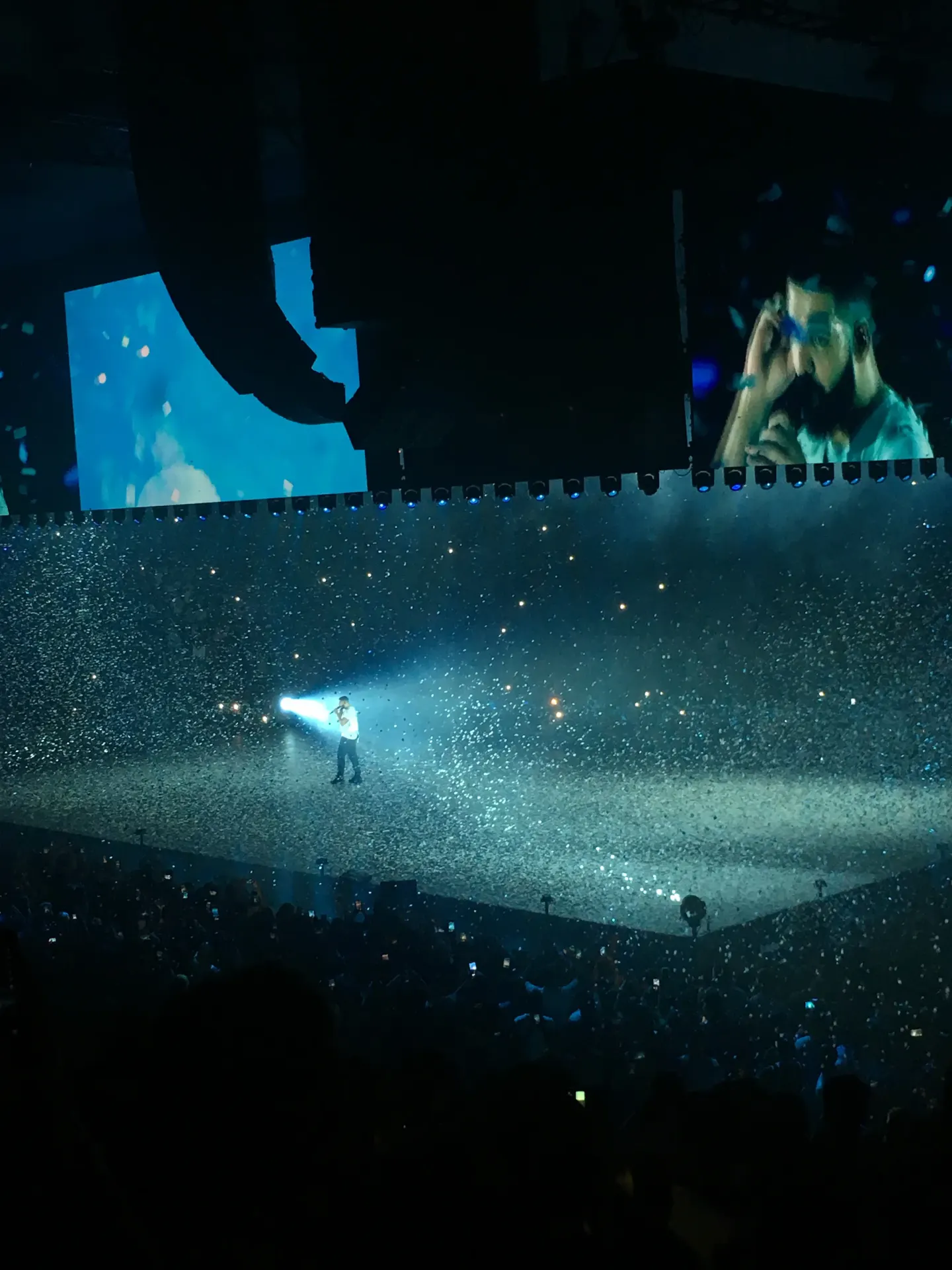
A closer look at the scenes and context surrounding Drake's music.
On ICEMAN, Drake does not explain the aftermath. He turns it into weather: cold, controlled and always threatening to become personal.
Released May 15, 2026 through OVO and Republic Records, his ninth studio album arrives carrying more public context than any Drake record should reasonably have to hold. The 18 songs know that every boast will be read as evidence and every silence as retreat. Rather than escape that pressure, Drake builds an album around the performance of remaining composed inside it.
Make Them Cry opens with a defense mechanism
The title of the first track sounds aggressive, but its length and shifting structure reveal a more complicated need. Drake is not simply trying to defeat an opponent. He is trying to control the emotional terms of the room before anyone else can define them.
That impulse shapes the album's best writing. Verses move between inventory, grievance, memory and prediction without announcing the transition. The flexibility can resemble confidence, yet the repetition gives it away: control must be restated because it never feels permanent.
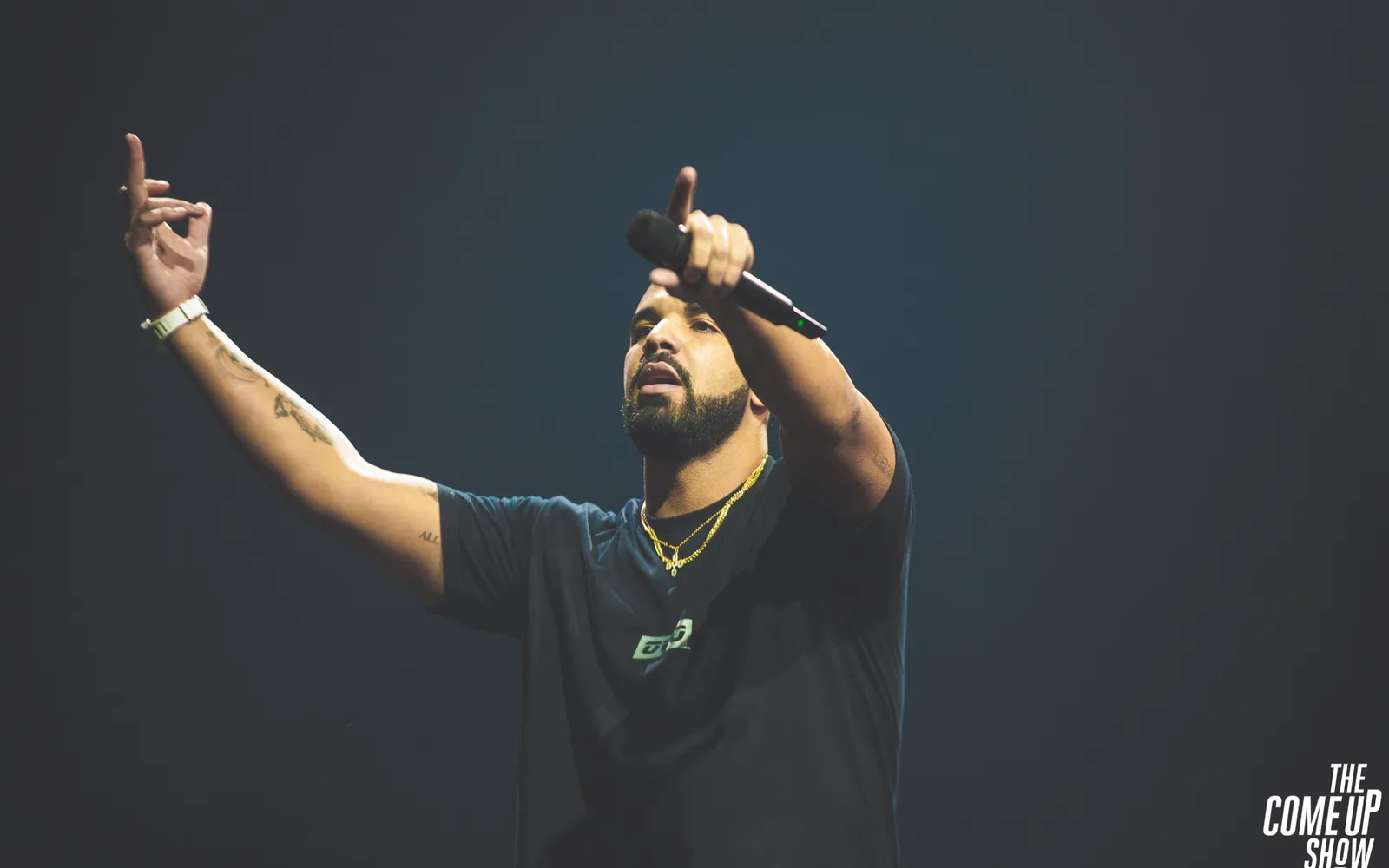
Photo: Drake performing on the Summer Sixteen Tour. The Come Up Show via Wikimedia Commons, licensed CC BY 2.0.
Janice STFU makes distance melodic
The album's most immediate song places a bright, familiar melodic contour against a performance built from irritation and recovery. Drake sings as if pleasure itself can prove that the damage did not last. The hook is catchy because it compresses wounded pride into something social and repeatable.
But the song's appeal depends on contradiction. Its surface invites release while the verses remain watchful. Even when the beat opens, Drake sounds like he is monitoring who entered the room. The result is pop as emotional surveillance: movement without lowered defenses.
The Iceman is a useful mask
Drake has spent much of his career turning sensitivity into scale. On Take Care, confession made luxury feel lonely. On Nothing Was the Same, memory became architecture. ICEMAN uses coldness as another organizing persona, but this time the mask is visible from the start.
That visibility makes the record interesting. The title promises invulnerability, while the music repeatedly documents the labor required to maintain it. Whisper My Name is especially revealing: intimacy appears not as surrender but as proof that the public character still has access to a private self.
Whisper My Name warms the glass
The song's melodic focus creates one of the album's clearest changes in temperature. Drake lowers the rhetorical volume and lets repetition carry the tension. Instead of addressing a crowd, he narrows the frame to one voice and one listener.
This is where his singer-rapper duality remains most effective. He does not need a dramatic genre switch to alter the emotional stakes. A softer consonant, a delayed entrance or a line allowed to trail behind the beat can make authority sound temporarily negotiable.
Features become pressure tests
Future and Molly Santana appear on Ran To Atlanta, while 21 Savage joins B's On The Table. Neither collaboration is treated as an escape from the album's central persona. The guests test whether Drake's guarded tone can share space without losing its outline.
At their best, these exchanges produce contrast. Future's looseness makes Drake's calculation more audible; 21 Savage's economy exposes how often Drake prefers accumulation. The album understands collaboration as a mirror, not simply a commercial event.
What Did I Miss? keeps the trial open
First released in 2025 and folded into the album, What Did I Miss? supplies the clearest statement of suspicion. Its central question is not an invitation to conversation. It assumes that loyalty has already failed and asks the listener to identify when.
The track is effective because the beat refuses consolation. Drake's clipped delivery turns names, absences and alliances into a ledger. Yet the song also reveals the album's limitation: when every relationship is evaluated as strategy, emotional complexity can flatten into prosecution.
Plot Twist understands spectacle
Plot Twist converts the album's defensive posture into visual and musical theater. Its official video exaggerates security, weapons, vehicles and isolation until authority begins to look like a set. That excess is not separate from the song; it clarifies what the persona requires.
Drake remains skilled at making scale feel conversational. He can stand inside an enormous image and deliver a phrase as though it were sent to one person's phone. ICEMAN repeatedly exploits that contrast, using blockbuster framing to carry private resentment.
Where the temperature stops changing
Eighteen tracks give Drake room to rebuild his narrative, but too many songs accept the same emotional assignment. Grievance, endurance and restored dominance recur with limited movement. The production is polished and often atmospheric, yet its consistency can make the second half feel sealed rather than cumulative.
The album is strongest when coldness cracks into melody or doubt. It is weaker when the Iceman persona becomes a substitute for development. A mask can organize a record; it cannot create stakes every time the writing avoids them.
Verdict
ICEMAN is not the definitive answer to Drake's recent public history, and it is better for refusing that impossible job. It documents an artist trying to recover control by making control itself the subject. The result is focused, sometimes thrilling and occasionally trapped inside its own defense strategy.
Drake's enduring gift is his ability to make the private and the massive occupy the same measure. Here, that gift becomes both weapon and shelter. ICEMAN cannot freeze the argument around him, but it finds compelling music in the effort. Rating: 7.9/10.
Sources: Universal Music and Republic Records release materials; official Drake videos; official Spotify album and track information; Associated Press pre-release context. Cover photo by RyanCornell28 via Wikimedia Commons, licensed CC BY-SA 4.0.