08 / Industry · Analysis
Intel sets out data centre strategy for AI agent workloads
Intel outlined a plan to optimise data centre costs and processing capacity by allocating computing resources to match each workload.
 Taeoh Kwon· Industry
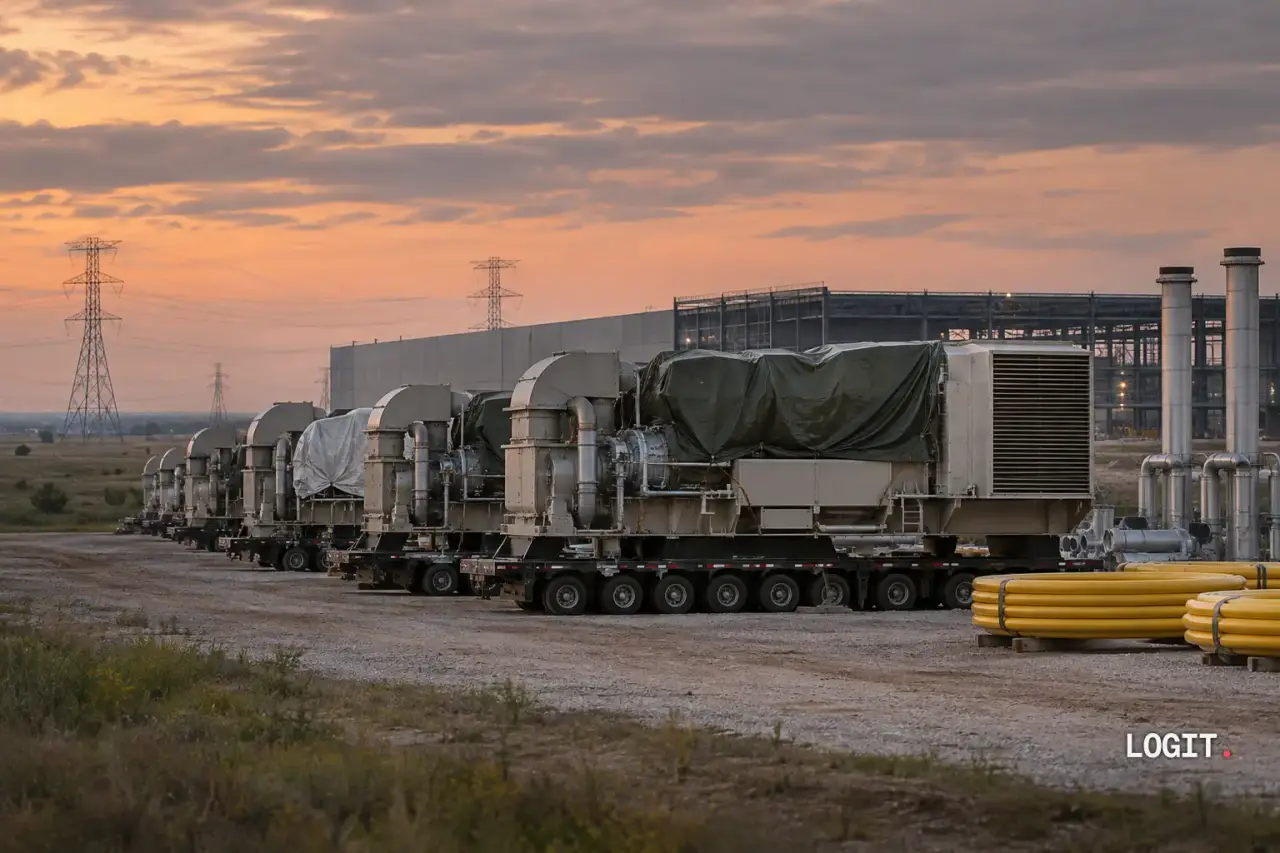
Intel outlined a data centre strategy combining CPUs to coordinate AI agent tasks, GPUs for inference and accelerators focused on low latency, according to Gamevu, a Korean news publication.
Gamevu reported that Intel aimed to optimise costs and processing capacity across the whole system by combining resources with different roles. The proposal linked that allocation to model size, workload characteristics and memory demand.
The report placed the presentation by Intel vice-president Anil Nanduri at Intel AI Summit Seoul 2026, held at the COEX convention centre in Seoul on 12 Nov 2026. That account of the presentation remains attributed to Gamevu.
Xeon’s role in coordinating AI agents
According to Gamevu, Nanduri outlined a role for Xeon CPUs in coordinating the work of artificial intelligence agents. This placed task coordination alongside the separate processing roles assigned to other components.
Gamevu reported that Intel’s proposed infrastructure combined Xeon with its next-generation Crescent Island GPU and partner accelerators. GPUs would handle inference, the process of running a trained AI model, while accelerators would focus on low latency.
Workload characteristics guide resource allocation
According to Gamevu, Intel proposed allocating data centre resources according to model size and the characteristics of each task. The strategy therefore tied the choice of computing resources to the work they would perform.
Gamevu reported that memory demand was another allocation criterion. Together, these criteria framed Intel’s stated objective: to optimise costs and processing capacity across the data centre system through the combination of resources assigned to its workloads.