Breaking08 / Industry
South Korea unveils Hangang supercomputer with 614 petaflops
The Korea Times reported a project cost of ₩382.5 billion, while power consumption and GPU unit price are absent from the published specifications and reports differ on the exact start date of full service.
 Taeoh Kwon· Industry
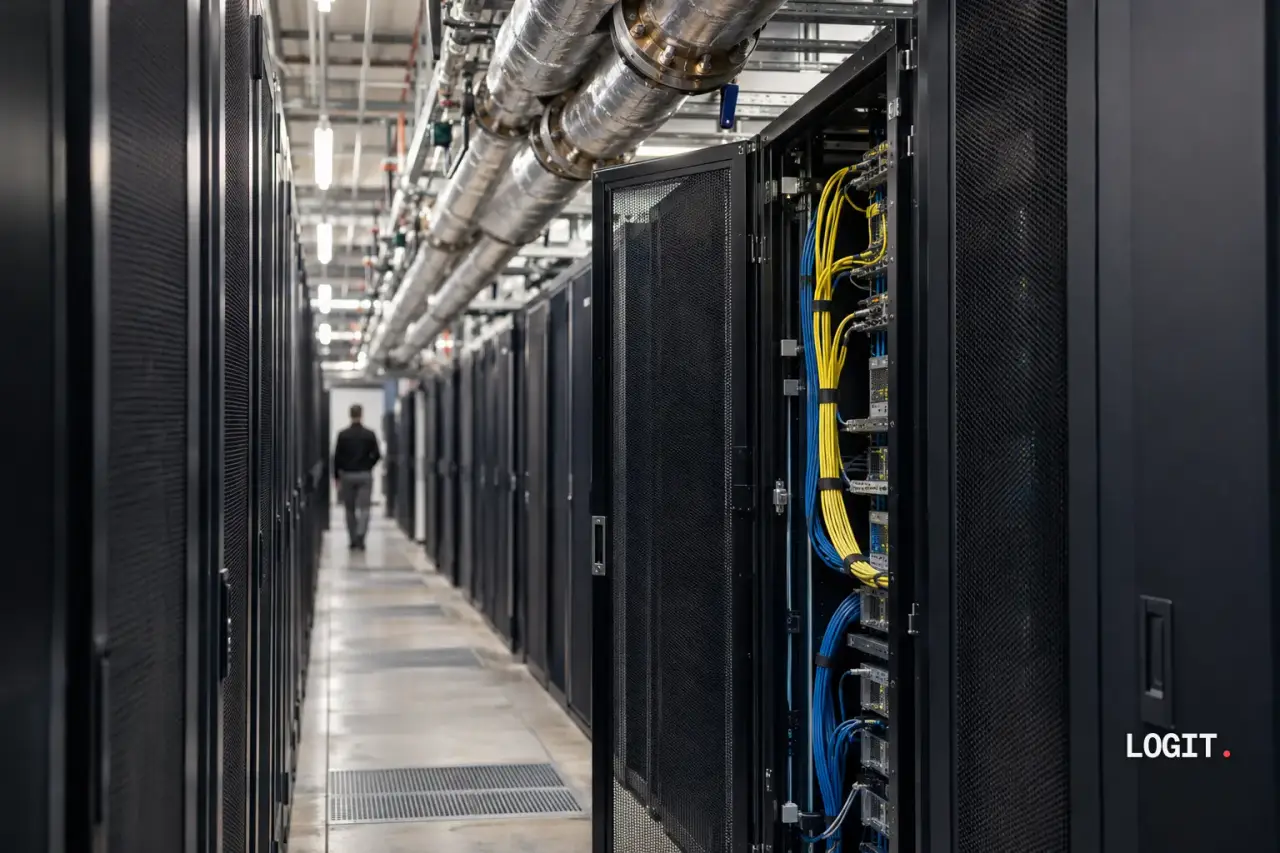
South Korea's Ministry of Science and ICT (MSIT) and the Korea Institute of Science and Technology Information (KISTI), a government-funded research institute, unveiled the country's sixth national supercomputer on 2 Nov 2026. They said they held a launch ceremony in Daejeon for the machine, Hangang, which has a theoretical performance of 614 petaflops and uses graphics processing units (GPUs) including Nvidia's GH200.
Hangang's theoretical performance is 24 times that of Nurion, the fifth national supercomputer, which began operating in 2018, according to Korea.net, the South Korean government's English-language news site. Storage capacity is 205 petabytes, 10 times Nurion's, and network performance is four times Nurion's. The system has 8,496 GPUs and 9,936 central processing units (CPUs), and supports both CPU-based computational science and GPU-based AI research.
Project cost. The Korea Times, a South Korean English-language daily, reported the project cost as ₩382.5 billion. The same report put theoretical performance at 614.7 petaflops, slightly above the Korea.net figure.
KISTI President Lee Sik said the institute would actively support researchers through stable system operations and user assistance.
Hangang is planned for use in national strategic research and development such as K-Moonshot, in research at universities and public research institutes, and in technology development at companies, Korea.net reported. K-Moonshot aims to double research productivity by 2030.
Korea.net's description of the specifications does not include power consumption or a GPU unit price, and reports differ on the exact day full service begins, though they place the start in December.