01 / AI · Analysis
FrontierPhysics tests AI agents on end-to-end physics tasks
Evaluating physics research separately from quiz performance depends on where tasks begin, what agents submit and how those submissions are judged.
 Yejun Son· AI
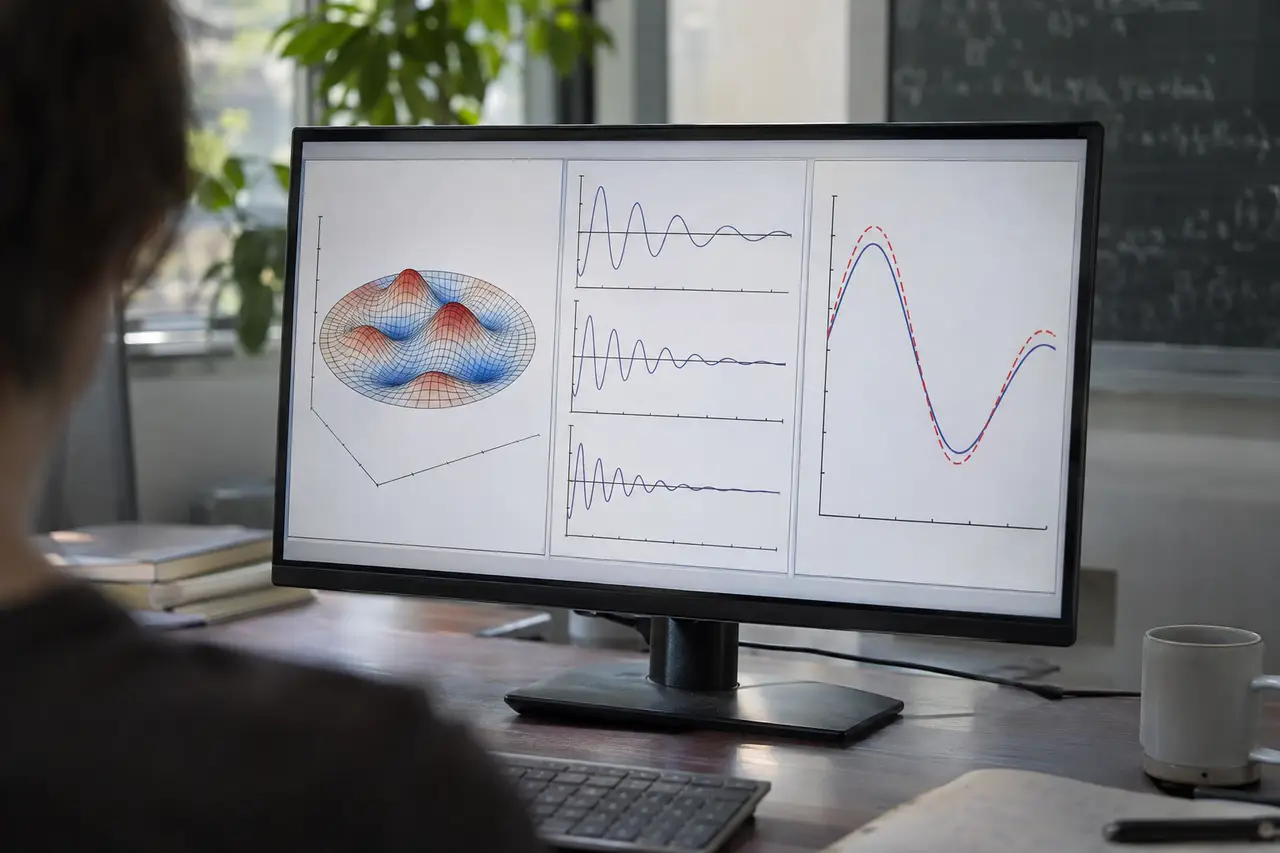
FrontierPhysics evaluates whether AI agents can carry out physics research from start to finish by assigning them research tasks, according to a Plain English Papers summary on DEV that leaves the status of independent replication unspecified.
A research task needs a defined starting point and a required submission. Those details tell readers which parts of the research process an evaluation result covers.
Once the scope is clear, the next question is what a submission must do to count as successful.
Physics research tasks as the unit of evaluation
The Plain English Papers summary on DEV distinguishes research performance from physics quiz performance.
Task examples would show what agents start with and what they are expected to submit. Scoring criteria would show which conditions a submission must meet. The DEV introduction gives neither task examples nor scoring criteria.
Run conditions for follow-up evaluations
The Plain English Papers summary identifies AI agents as the subjects of the FrontierPhysics evaluation. Its introduction leaves the models tested and the run conditions unspecified.
A follow-up evaluation could compare how different models carry out research by giving them the same tasks and scoring their submissions against the same criteria.