01 / AI · Analysis
Luma sets out editing workflow for consistent AI characters
Luma AI's guide centres on carrying approved characters into later scenes, but provides no comparison of tool performance under the same conditions.
 Chaewoo Lim· AI
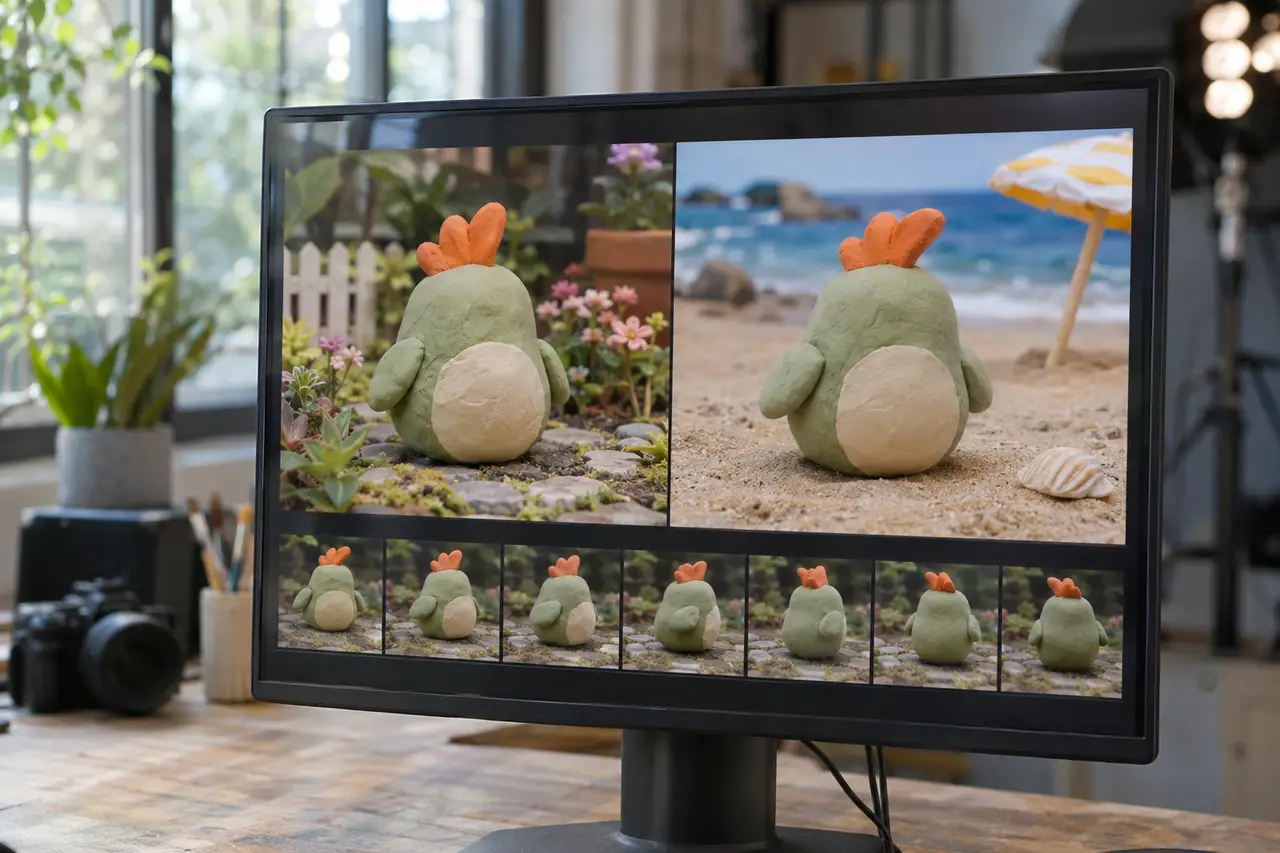
Luma AI published a guide to keeping AI characters consistent across images and video. It emphasised editing approved images to create subsequent scenes. The guide did not provide test results comparing tools under the same conditions.
Luma described campaigns as requiring the same character in several formats. A character approved for a main campaign image also needs to appear in short videos and regional variations. That makes reusing approved features central to the workflow it outlined.
The guide distinguished reference-based generation from workflows built around editing. Reference-based generation uses uploaded images to guide new outputs. Editing starts with a base image and derives variations from it.
Editing from an approved image
Luma described Layers as treating approved images as editable working files. The tool is intended to preserve a character's established appearance while a background or product changes. This lets users select elements to alter instead of regenerating the whole scene.
Luma presented Camera Angles as a way to create several views of an approved character. Those reference images then feed into video generation. The guide assigned Ray 3.2 the role of maintaining the character's identity from frame to frame within a clip.
Preparation across generation methods
Luma described different preparation needs for reference images and custom model training. Reference images can be used immediately, though a character's appearance may drift across repeated generations. Training a separate model can reproduce character features more faithfully, but requires setup time.
Luma emphasised connecting images, video and campaign variations within its platform. Its guide did not disclose experimental results comparing the tools under the same conditions. The basis for choosing a tool therefore rests on how work continues after character approval, rather than a demonstrated performance ranking.