01 / AI · Analysis
Pakistan port AI design sets ownership and data boundaries
The proposal links operator ownership with domestic model execution and excludes sending customers’ cargo information abroad or to foreign model services.
 Yejun Son· AI
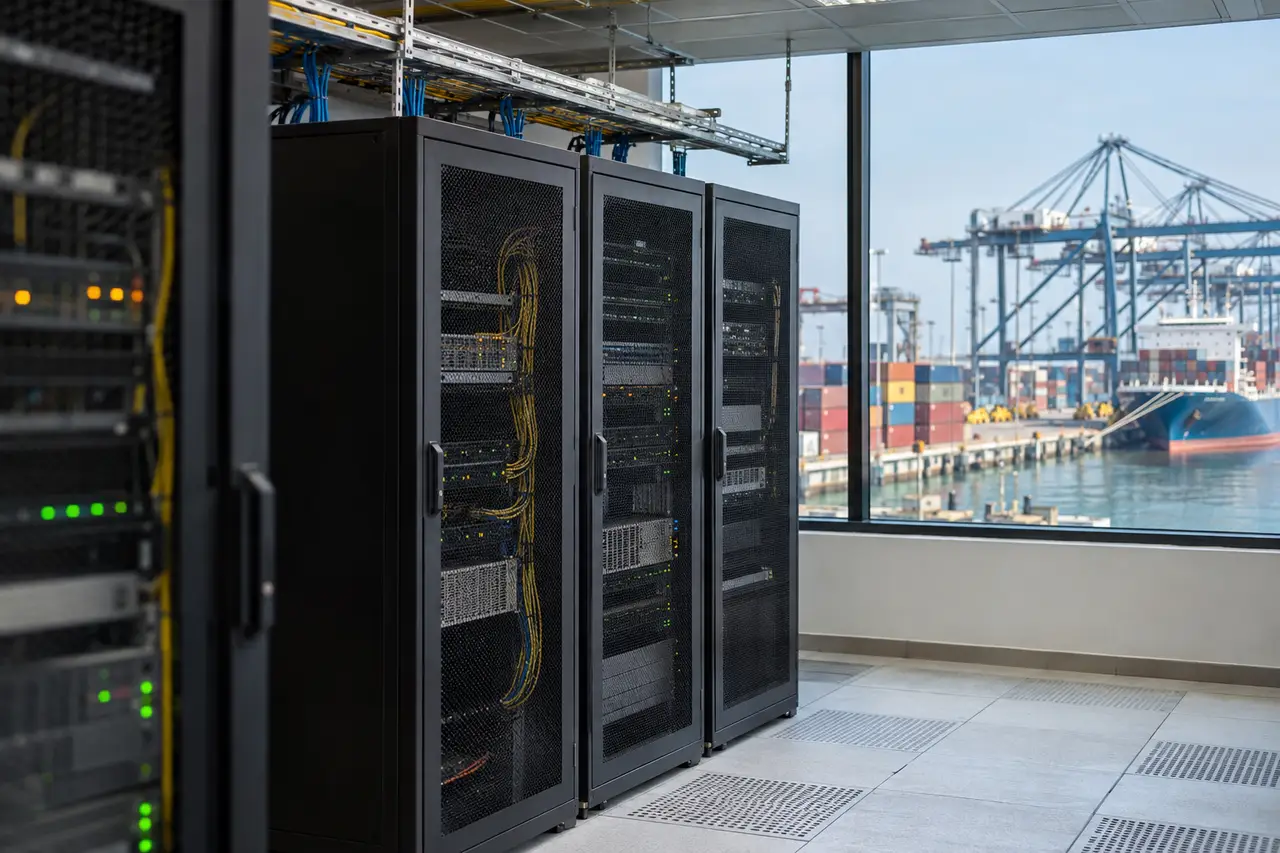
A DEV.to post proposes an AI system design for a container terminal in Pakistan in which the operator owns the whole system and models process internal records on hardware inside the country.
The proposal makes ownership and the handling of customers’ cargo information central to the design. Its boundaries cover both where models run and where information can be sent, making domestic hardware only part of the requirement.
The post presents this as a sovereign AI reference architecture: a basic design to guide construction of the system. The proposal therefore turns on the scope of the operator’s ownership and the boundaries around its information, rather than the choice of a particular model.
Ownership of the whole system
The DEV.to post pairs ownership of the complete system with the use of open-weight models, whose learned parameters are publicly available. Under the proposal, the operator owns the system from end to end.
According to the post, the models run on hardware inside Pakistan and reason over the terminal’s own systems of record, the internal records used as authoritative sources for its operations. Model selection is thus tied to the environment in which the terminal’s records are processed.
Boundaries around cargo information
The DEV.to proposal requires customers’ cargo information to remain inside the country and excludes its transmission to a foreign model service. It treats the location of the hardware and the destination of information as separate conditions that must both be met.
The post publishes requirements for such a system. Its significance lies in asking the operator to define ownership and information routes together: choosing a model is one part of a wider system design, and those requirements provide the basis for building it.