01 / AI · Analysis
Israel AI chief proposes national control of AI stack
The proposal ties national sovereignty to direct ownership and management of energy, computing resources and AI models.
Israel's national AI chief warned that dependence on foreign AI could cost most countries their sovereignty within five to seven years, according to ZDNet Korea, a Korean technology news publication.
The report linked his warning to control of critical infrastructure. His argument was that a country cannot control its infrastructure if it does not own the AI that operates it.
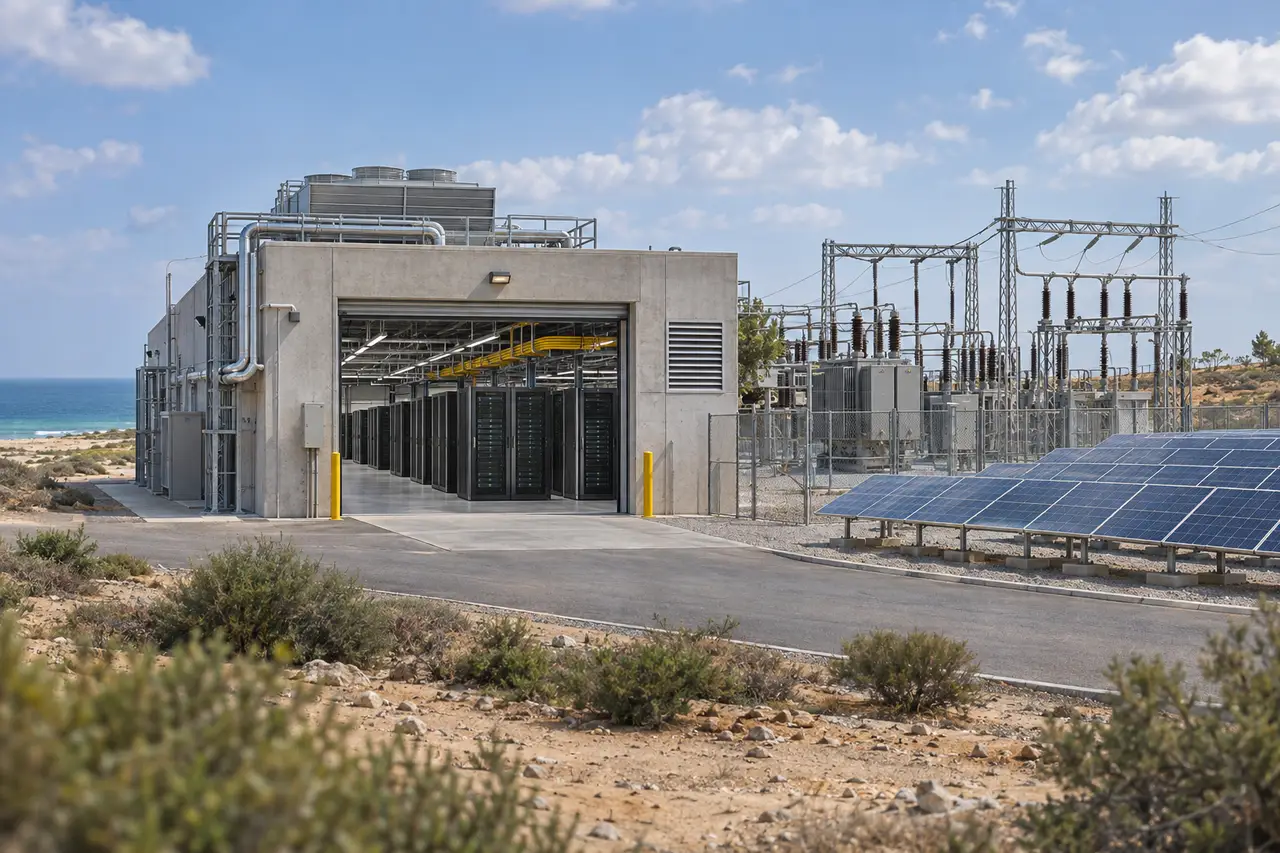
According to the report, Erez Askal proposed a nationally owned and managed AI stack—the layers of resources needed to run AI—as the response. That proposal extends ownership beyond models to computing resources and energy.
An AI stack that includes energy
ZDNet Korea reported that Askal's proposed stack covers energy, computing resources and models. The plan calls for direct ownership and management of all these layers.
The report cited energy systems, water systems and hospitals as his examples of critical infrastructure operated by AI. Askal connected ownership of that AI to a country's ability to control those services.
A strategy for national sovereignty
According to ZDNet Korea, Askal presented Israel's AI strategy at the opening of AI Week 2026 at Tel Aviv University. He presented the proposal as head of the National AI Directorate under the prime minister's office.
The report said Askal framed the strategy as relevant to every country seeking to survive and grow. His proposed condition for sovereignty was direct ownership and management of the AI that runs critical infrastructure.