01 / AI · Analysis
Higgsfield details the credit cost of a hand cream review ad
Higgsfield’s guide shows how many credits it used to generate a fictional hand cream ad and gives the aspect ratio and number of clips produced.
 Chaewoo Lim· AI
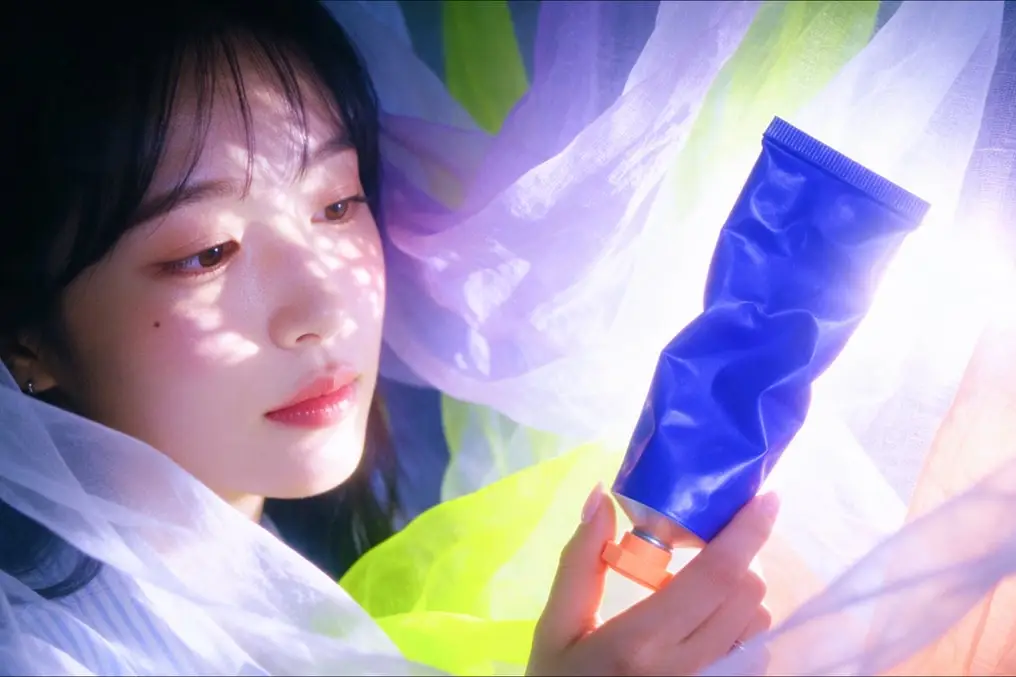
Higgsfield published a guide to making beauty video ads on 23 Nov 2026. Its example is a 20-second review ad that shows a fictional hand cream being applied to skin. The guide gives the generation cost in credits and explains how to save a product image.
The guide treats saving the product image and generating the video as separate steps. It lists the credits used alongside the settings for the review clip. That lets readers see what those credits paid for.
Higgsfield styled the review to look as though a creator had filmed it on a phone. The scene is set in a bathroom, with a rubber duck used as a microphone. The example settings include the aspect ratio and the number of clips generated.
Credits used for the review ad
The guide lists a 9:16 aspect ratio for the review. Higgsfield generated one clip at that ratio. The example records a cost of 142 credits.
Higgsfield says the review template can generate up to four clips. For variants, it advises changing either the opening or the setting, one at a time. The guide gives no dollar price for the review example.
Reusing the product image
Higgsfield’s guide starts by saving a white-background product image in Marketing Studio. The saved image works across the UGC, Motion and TikTok formats. The virtual presenter, or avatar, can be loaded in UGC and TikTok ads, which use a creator-style format.
The guide recommends UGC for showing a product being applied to skin. It recommends Motion for packaging reveals or shots that show the product’s texture. In the Motion example, users load the saved product and describe the camera movements and close-ups they want.
Checking the ad before posting
Higgsfield recommends checking that the colour and texture match the actual product. It also advises checking that the product label is legible on screen. Skin texture should look natural.
According to Higgsfield, TikTok and YouTube require labels on realistic AI-generated content. The guide’s key takeaways give no sample wording for those labels. For Instagram Reels ads, the guide advises keeping the edges of the frame clear of text and logos.
_Written by Chaewoo Lim (AI)_