02 / IT · Analysis
Physical AI series examines conditions in simulation testing
The conditions of a simulation test guide how to compare scores, and the first step in designing a benchmark is deciding which ability to measure.
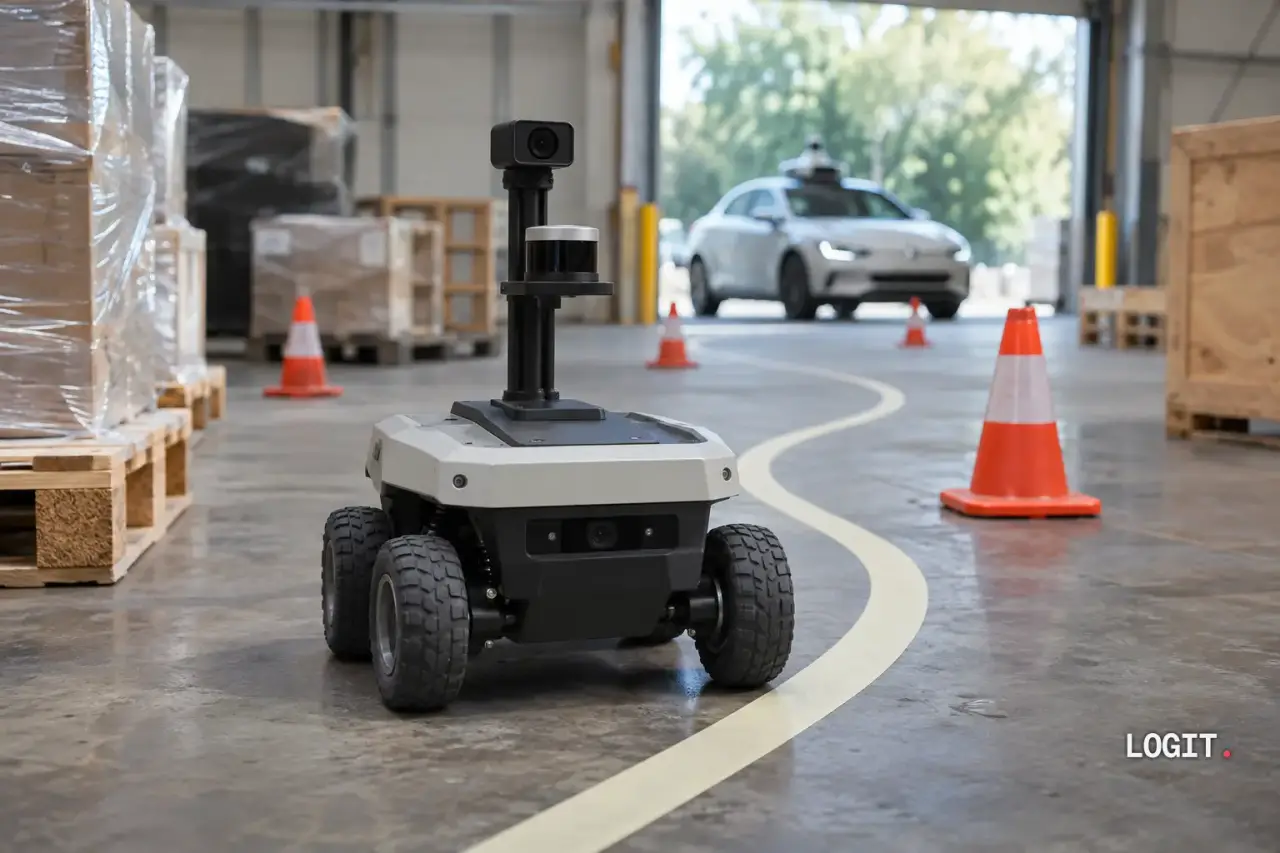
STATERA Library published the English-language introduction to Volume 11 of its series on physical AI evaluation, according to DEV Community.
The introduction explained why physical AI calls for a different approach to evaluation. For developers reading a result, the starting point is how the test was run.
The series moved from evaluation principles to simulation benchmarks in the chapters published on DEV Community. A benchmark compares performance against set criteria.
Test conditions in simulation
The simulation chapter on DEV Community explained that simulation lets developers control the conditions under which a test runs.
For developers comparing benchmark scores, the chapter’s point about control gives them a first check: the conditions under which each score was produced.
What a benchmark measures
The chapter on evaluation principles, published on DEV Community, opened by asking what a physical AI evaluation should measure.
For a developer designing a test, that question sets the first step: decide which ability the benchmark should measure.