02 / IT · Analysis
AI architecture series separates chip choice from ECU design
DEV posts distinguish control-component selection from the computing configuration of an automotive robot.
 Daon Jeong· IT
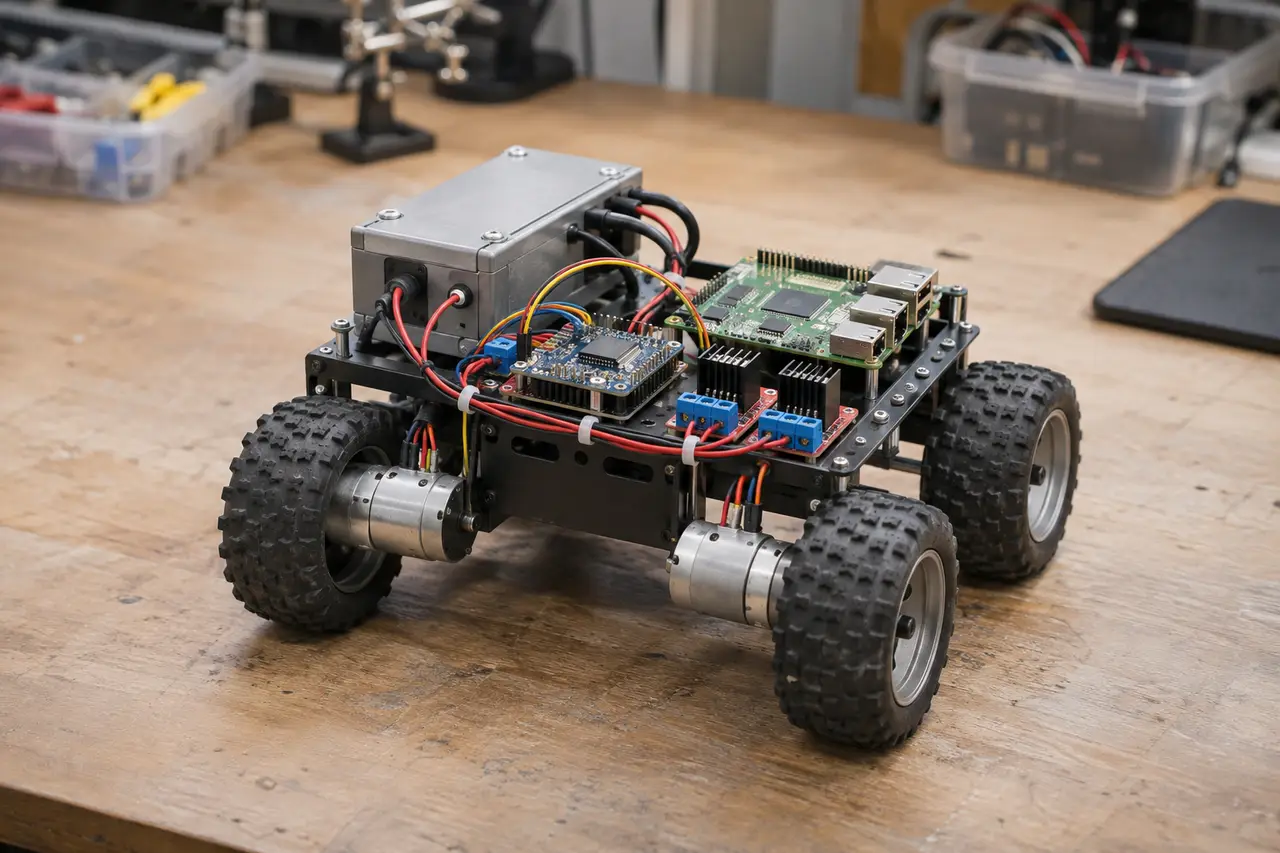
An author on DEV published separate posts on microcontroller architecture and electronic control unit design. The distinction rests on their titles and summaries; audience reactions were not counted.
The summaries distinguish the choice of components used for control from the configuration of the robot’s computing hardware. That gives readers separate starting points for component selection and device design.
DEV account @richard_minsoogo published the posts on 14 Nov 2026. Their series titles place both subjects within computing and AI architecture.
Choosing a control-component family
The microcontroller post introduces STM32/Cortex-M selection. It puts the choice of a component family for control at the start of the discussion.
Its summary places the STM32 Cortex-M family within a robot’s electrical architecture. The focus is on selecting control components within that wider arrangement.
Configuring an automotive robot’s control unit
The ECU post introduces an automotive robot’s electronic control unit, the term abbreviated as ECU. Its subject is the architecture of that unit.
The summary also refers to higher-level computing. Read alongside the component-selection post, it extends the series’ scope from choosing a control-component family to configuring the robot’s control unit.