02 / IT · Analysis
Nvidia unveils VFlash, claiming 5x faster robot AI inference
Nvidia pitches whole-path prediction for robots and self-driving vehicles, but the opening of the AI Times report gives no baseline for its company-published fivefold speed figure and no size for the error reduction.
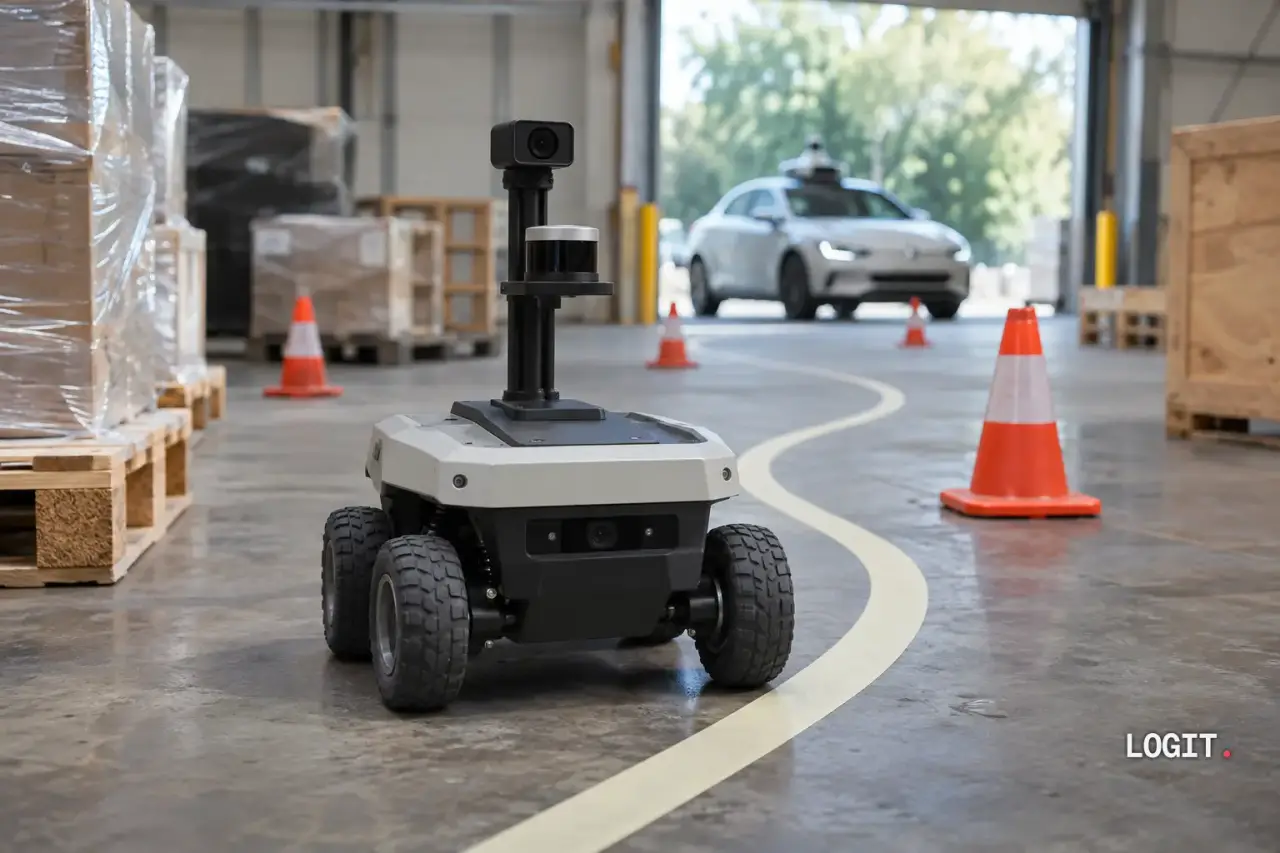
Nvidia unveiled VFlash, a decoding framework it said makes AI inference five times faster (a company-published figure), for robots and self-driving vehicles. AI Times, a South Korean AI news outlet, reported that the release came on the 6th, local time. Nvidia also said VFlash reduces path-prediction errors.
The central claim is that VFlash raises speed and cuts errors at the same time. AI Times named improved real-time control of robots and self-driving vehicles as a possible use.
The change AI Times reported centres on the decoding method that produces path coordinates.
Predicting the whole path instead of each coordinate
Vision-language models (VLMs) are AI models that process images and language together. AI Times reported that VFlash targets the speed problem caused by sequential token generation in VLMs. Tokens are the small units in which a model produces its output.
VFlash does not generate path coordinates one at a time. It predicts the entire path at once. The report gave its scope as visual planning, the inference stage that plans movement, in physical AI such as robots and self-driving vehicles.
The conditions behind the speed figure
The fivefold inference speed, a company-published figure, is the only number in the opening of the AI Times report. The report cited the speed problem of sequential token generation in existing VLMs as background, but its opening does not say what the fivefold figure is compared against. The baseline model and test environment are also absent from the opening.
The reduction in path-prediction errors, as AI Times relayed it, is a claim of direction only. The opening gives no figure for the size of the reduction.
AI Times described real-time control as a possible use. The opening gives no results from actual robots or vehicles. The measure of VFlash's usefulness is figures from real control environments.