02 / IT · Analysis
Korean games expand platforms and adopt AI in development
Expansion into genres, platforms and intellectual property businesses concerns markets, while AI use in development concerns how games are made.
 Dogyeom Baek· IT
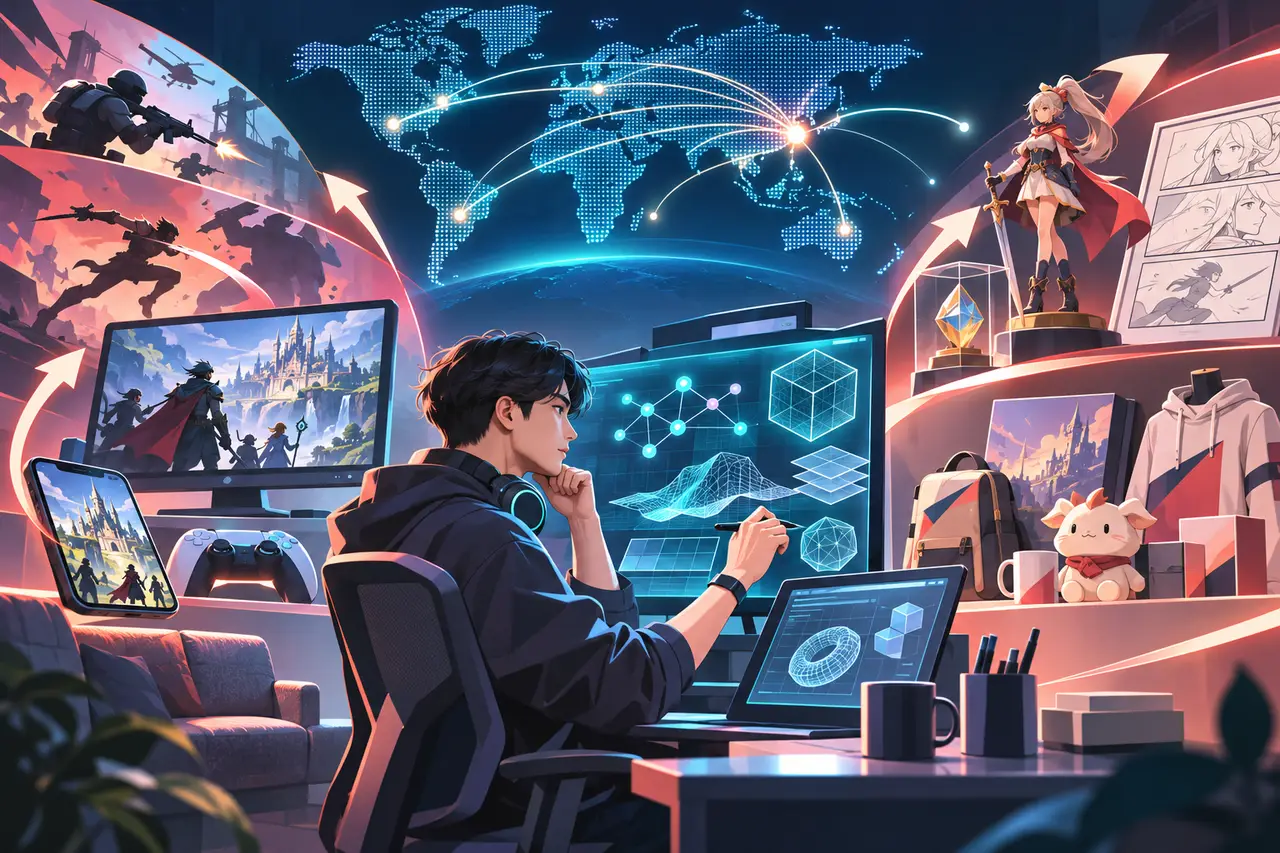
Korea's games industry is expanding beyond mobile into PC and console markets, according to TechM, a Korean technology publication. Its report also describes a move into more genres. AI features as another element of change, affecting how games are developed.
TechM also reports broader business use of intellectual property (IP) from popular games. This extends the discussion beyond the platforms on which games are available. Choosing where to offer a game and how to build a business around its IP are separate decisions.
TechM presents these developments as a search for new sources of growth in global markets. Market expansion and changes in production appear together in its account. Reading them separately helps clarify what each development means.
A broader games business
TechM identifies massively multiplayer online role-playing games (MMORPGs) and mobile as the industry's established sources of growth. Action and shooting games illustrate its expansion into other genres. PC and consoles illustrate the widening range of platforms.
TechM names MapleStory, PUBG and Ragnarok as examples of popular games supporting expanded IP businesses. These examples concern business uses of established game properties. That does not establish that the games concerned are receiving console releases.
AI changes how games are made
TechM describes AI as changing game development. The scope of that statement is the process of making games. It does not specify a feature that uses a language model to generate content while a game is running.
TechM treats AI use as one strand of change alongside market expansion. Its account concerns the industry's business scope and production methods, rather than an assessment of individual game features. The distinction matters: expanding where and how games earn revenue is a different development from changing how they are made.