02 / IT · Analysis
Deva design separates agent interfaces from memory
A design that separates the user interface from memory processing connects personal agent use with collective workflows.
 Jiyul Seo· IT
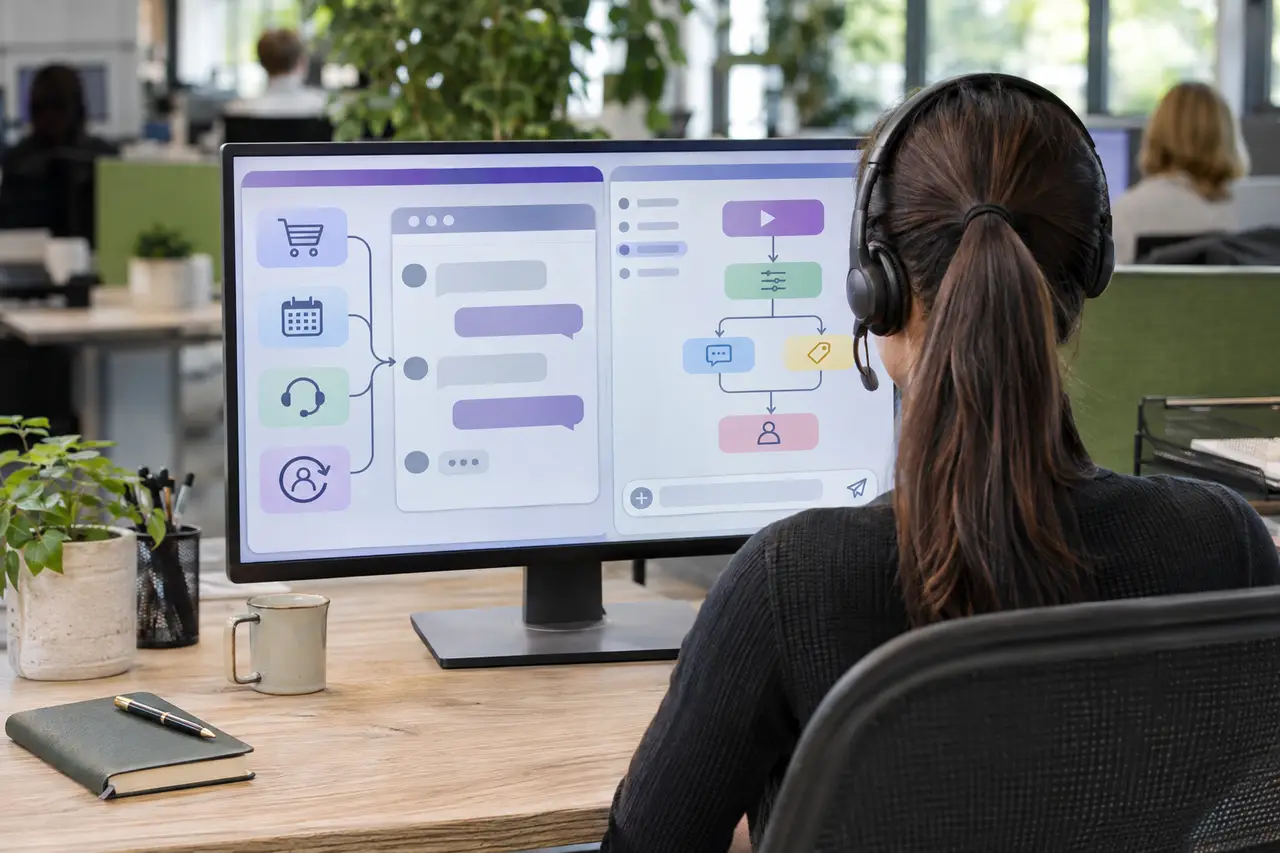
A design case study on dev.to presented Deva as a platform for creating, training and interacting with modular AI agents. It described Deva as the interface users encounter, built on a separate underlying system.
The case study's distinction connects the user interface with the systems that support agent activity. Its account extends from individual interactions to collective workflows.
The post placed agent creation, training and interaction within Deva's scope. It assigned memory processing and agent logic to the underlying system, 10Planet.
The system behind agent memory
According to the case study, Deva's user interface is built on 10Planet. The design separates what users interact with from the system supporting it.
The post described 10Planet as a backend for decentralised memory and agent logic. A backend is the system that handles functions behind the user interface.
From personal agents to collective workflows
The case study described Deva and 10Planet together as supporting long-term knowledge storage and interaction histories. These functions form part of its account of how the interface and underlying system work together.
The same post included social workflows centred on personal or collective intelligence among their supported uses. The design's stated scope therefore reaches from interaction with individual agents to group activity, with memory and interaction histories supporting that broader use.