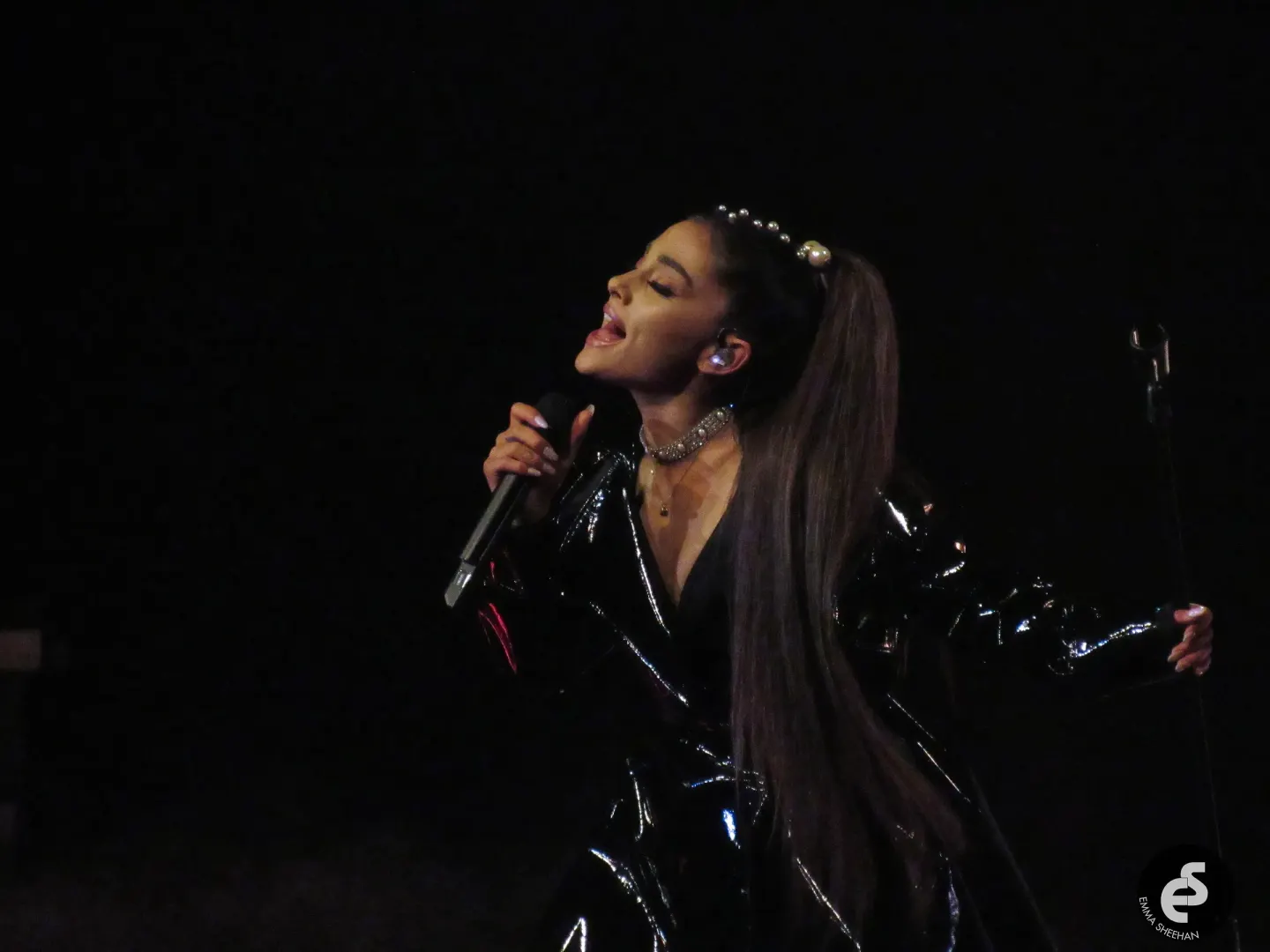
A closer look at the scenes and context surrounding Ariana Grande's music.
Ariana Grande is not treating petal like a clean break. She is letting the new record grow through the catalog that made it possible.
Her eighth studio album arrives July 31, 2026, while the Eternal Sunshine Tour is already moving through arenas. That overlap matters. Instead of announcing a sealed-off “new era,” Grande is presenting change as accumulation: the theatrical discipline sharpened by Wicked, the conversational R&B of eternal sunshine, and the immaculate pop engineering of her earlier records now occupy the same stage.
A release timed for a living stage
Universal Music identifies petal as a 13-track album executive-produced and co-written by Grande and longtime collaborator ILYA. The official campaign has unfolded while she performs her first headline tour in years, allowing new material to enter a set already built around memory, rupture and repair. It is a smarter frame than the usual promotional reset. The audience can hear continuity before reviewers turn it into a verdict.
The title suggests softness, but Grande's best work has rarely confused delicacy with weakness. Her voice can make a line feel weightless while the arrangement underneath it performs exact structural labor. The question around petal is therefore not whether she has become lighter. It is whether she can make growth audible without sanding away the tension that gives her music shape.
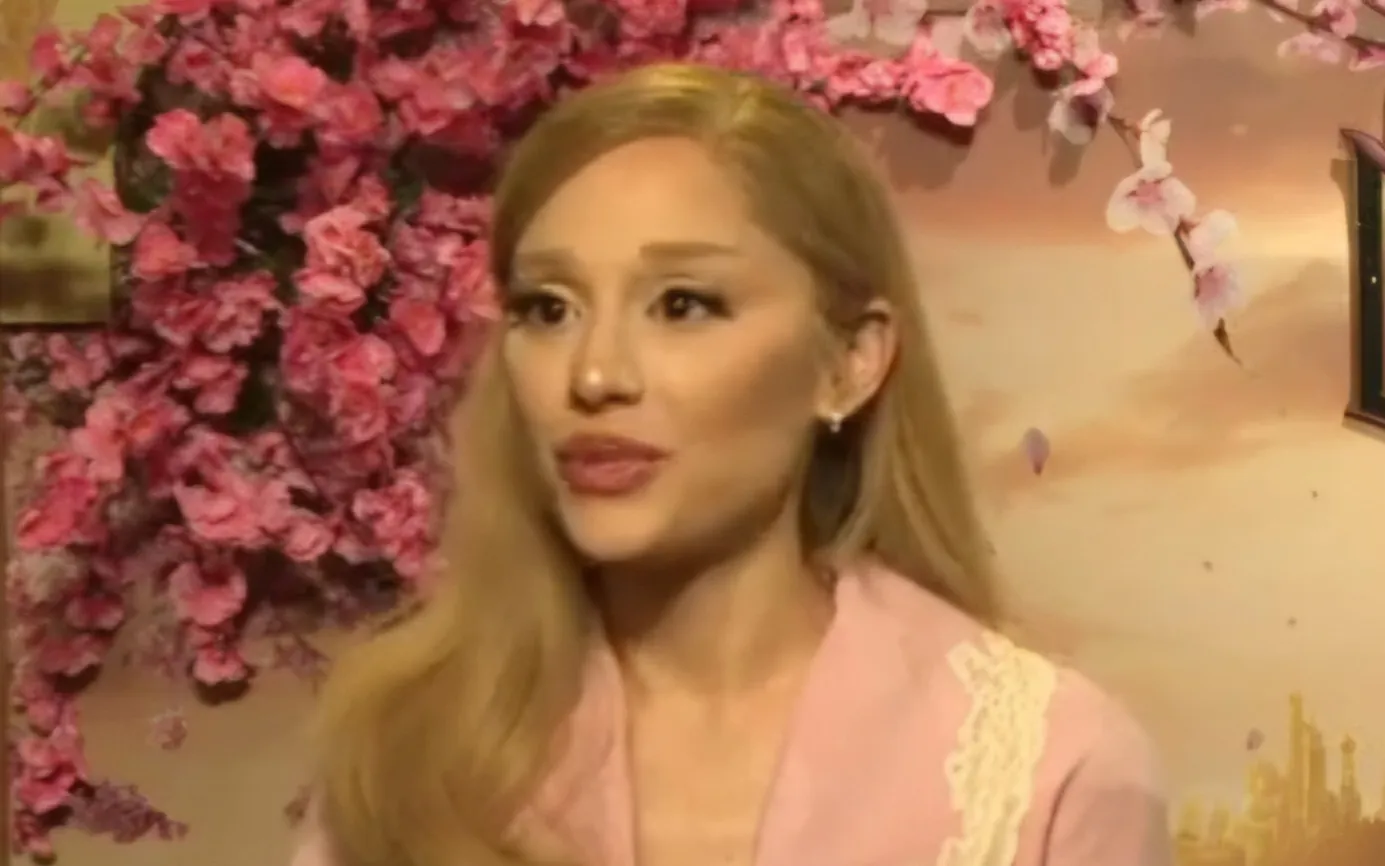
Photo: Ariana Grande discussing Wicked. Image by Barbie Simons via Wikimedia Commons, licensed CC BY 3.0. Cover image by Emma, CC BY-SA 2.0.
The emotional grammar was already changing
“we can't be friends (wait for your love)” remains the clearest bridge into this moment. Its pulse is controlled, almost clinical, but Grande sings as though every clean surface hides a bruise. The song refuses the oversized climax expected from a vocalist of her range. Restraint becomes the event.
That choice now reads less like a single-album aesthetic and more like a durable method. Grande has learned that virtuosity can reside in what she withholds: a consonant softened, a run delayed, a harmony allowed to hover rather than resolve. A new album made with ILYA can extend that method because their collaboration is built on an unusually precise understanding of her rhythmic phrasing.
Pop craft after musical theatre
Grande's work as Glinda did more than demonstrate that she could sing another repertoire. It returned her to character, breath support and long-form dramatic intention. On a pop record, those skills may appear in miniature—a verse that changes posture, a backing vocal that answers like a second character, or a bridge that reframes everything before it.
“yes, and?” showed how naturally she could turn criticism into choreography. The production keeps moving even when the lyric draws a boundary, and her performance never pleads for agreement. It stages self-possession. That theatrical clarity is crucial to the promise of petal: vulnerability does not have to mean shapeless confession.
A catalog that can argue with itself
The strongest live shows do not simply arrange hits by release date. They make old songs answer new ones. “the boy is mine” turns desire into an elegant comic scene, while the later material asks what happens after fantasy meets consequence. Put together, the songs reveal a writer who repeatedly tests the distance between the role she performs and the person left behind.
This is why the tour is more than a marketing runway for July 31. It is an editorial tool. Each transition can reveal the lineage of a new song; each rearrangement can loosen a familiar track from its original production. Grande's catalog is now deep enough to support contradiction rather than flatten it.
What to listen for on petal
Vocal architecture. Notice how lead lines, whispers and stacked harmonies divide emotional perspective.
Rhythmic speech. Grande often places everyday phrasing inside highly polished production without losing its casual pressure.
Character shifts. Listen for moments when the singer inside a verse changes position rather than simply changing volume.
ILYA's negative space. Their most effective collaborations leave enough room for breath and diction to function as percussion.
The live afterlife. Consider which songs seem written to transform onstage instead of remaining fixed to the studio master.
The news is not simply that Ariana Grande is back
She never disappeared. What changed is the relationship among her disciplines. Acting, musical theatre, studio pop and live performance no longer look like competing lanes. petal arrives at the point where they can feed one another.
That makes July 31 compelling for reasons beyond scale. Grande is testing whether a superstar album can feel like new growth without pretending the old stem never existed. If the singles and tour framing are reliable signals, petal will be most interesting where polish and vulnerability refuse to separate.
Sources: Ariana Grande official store and site; Universal Music Japan, Brazil and Germany album announcements and product information; official Ariana Grande YouTube releases.