Breaking01 / AI
AFTER-WM adapts robot predictions without changing models
Researchers proposed combining short-lived and lasting corrections to adapt robot motion predictions while keeping pre-trained models unchanged.
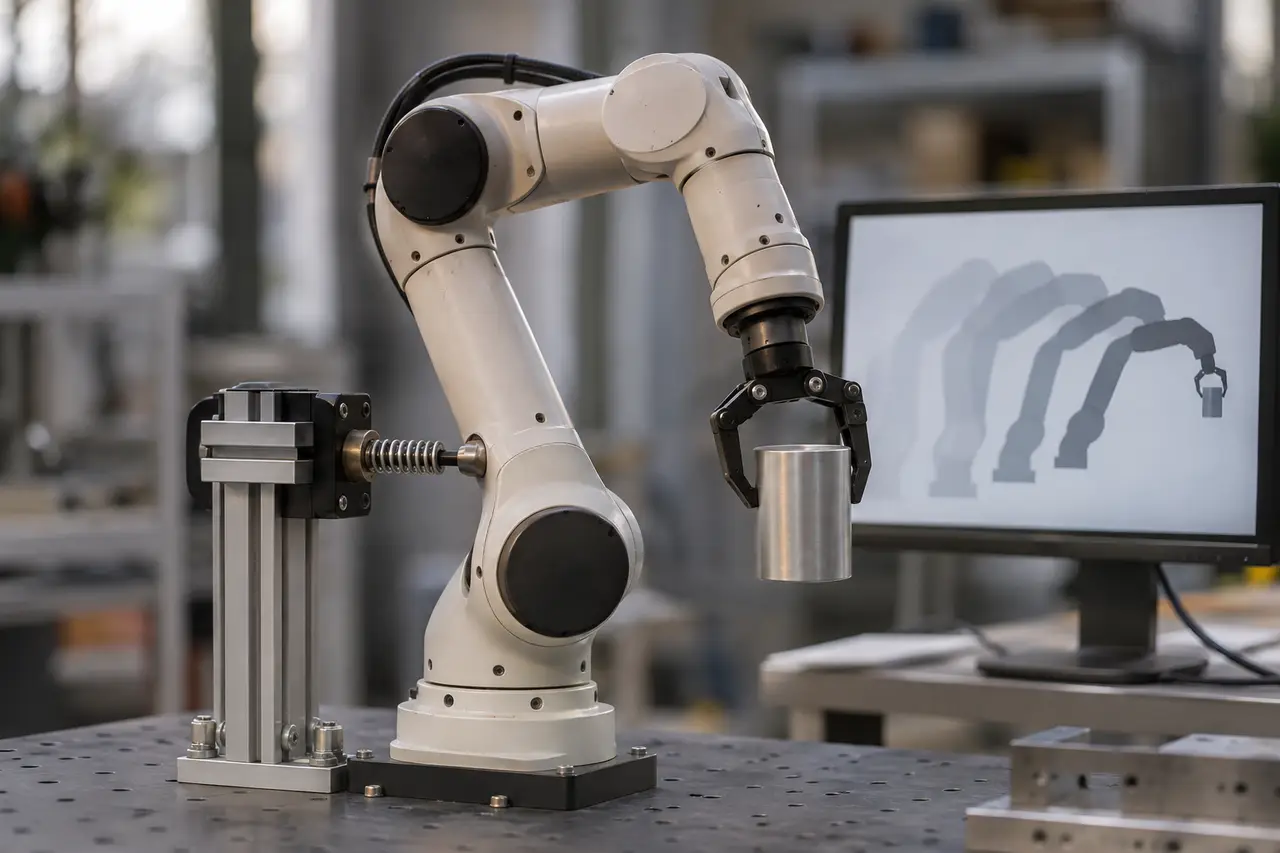
Researchers presented AFTER-WM in a paper on 13 Nov, proposing a world model that adapts its predictions for robots whose movement conditions have changed.
The paper describes AFTER-WM as a model that predicts robot motion. Prediction errors drive two corrections: one that fades quickly and another that persists. It adjusts how much each pre-trained model contributes to the prediction without changing those models.
In researcher-published benchmark figures, AFTER-WM's mean prediction error in simulation was 16%-34% lower than that of the strongest model in the comparison. The measure compared average errors across predictions made several steps into the future.
The researchers explained that existing world models struggle to adapt quickly while distinguishing lasting changes from temporary disturbances. They also identified retaining that adaptation when new observations stop as a challenge for existing models.
The researchers stated in the abstract that they would release code for the proposed method, comparison models and experiments, along with the datasets, online.
The abstract does not specify a release schedule for the code and datasets.