01 / AI · Analysis
OpenAI's Control Room tracks and can stop research workloads
OpenAI's introduction promises human control but does not say who stops a workload or by what standard.
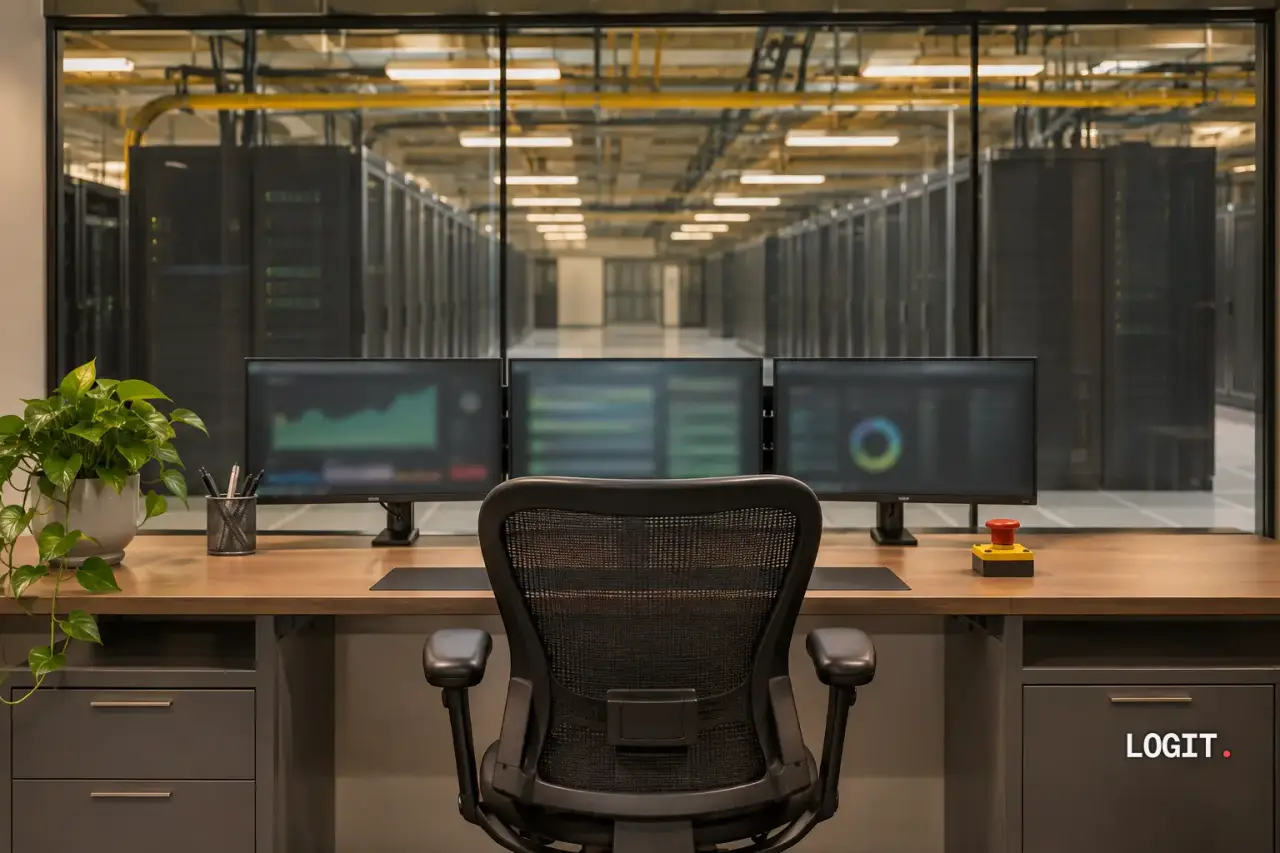
OpenAI introduced Control Room on 9 Nov 2026, a system that can stop model workloads on the company's research infrastructure over safety or security concerns. The company's introduction divided its functions into tracking and stopping.
The introduction's title puts human control over AI workloads first. OpenAI named its own research infrastructure as the scope of that control.
What human control means depends on what is watched, when work is stopped and who makes that call.
Tracking across the research infrastructure
According to OpenAI's introduction, Control Room tracks model workloads across the company's research infrastructure. The description sets the scope at the whole infrastructure, and that breadth is its central point.
The only deployment named in the introduction's summary is OpenAI's own infrastructure. The summary does not list what is recorded for each workload, or say whether the system applies to external customers' environments.
The conditions for stopping a workload
The introduction places the moment of stopping "when safety or security concerns arise". OpenAI said it can stop workloads rapidly at that point.
Read alongside the human control promised in the title, the issue is who decides to stop a workload. The summary does not name that decision-maker.
The control OpenAI presented is the ability to see and stop workloads on its research infrastructure. The summary does not disclose the criteria for that judgement or how long a stop takes.