01 / AI · Claim vs. Check · Analysis
Seoul National University AI cuts remote calls by 43.3%
The reported approach combines sensor control with AI inference to reduce calls to remote models.
 Gyeol Han· AI
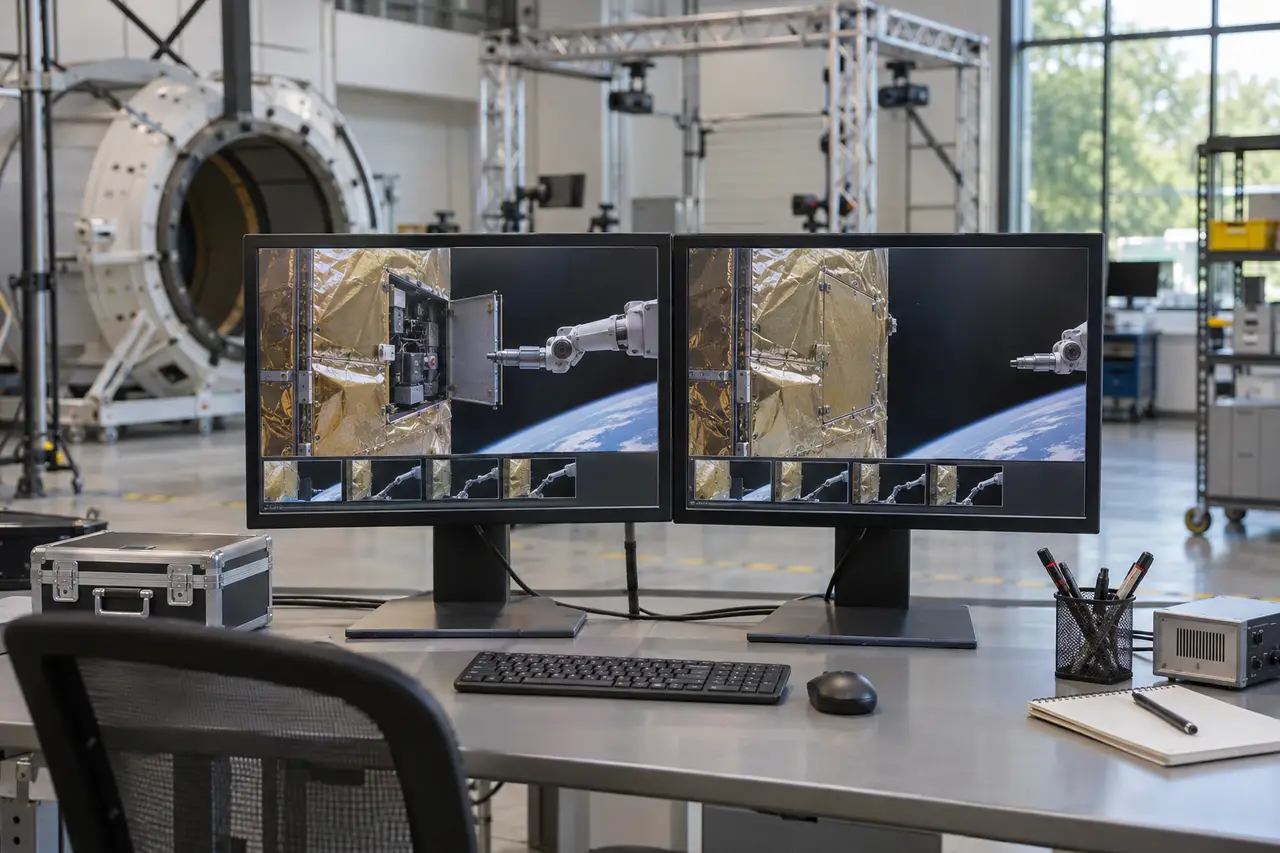
Seoul National University’s new physical AI system reduced remote AI model call frequency by 43.3% in a mobile camera experiment, AI Times reported.
According to the report, the approach combines sensor control and AI inference, the process of using a model to produce a result. It links how information is collected with how AI processes it.
AI Times identified active control over the quality of sensor information as the central feature. The experiment paired fewer remote calls with improved object recognition, connecting the sensing approach to both reported outcomes.
Reported Object Recognition Accuracy
| Existing | 53.8 | |
|---|---|---|
| New | 88 |
Fewer calls in the camera experiment
According to AI Times, the reduction concerned calls to high-performance remote AI models. The reported result came from a mobile camera experiment.
The report also described higher object recognition accuracy than the previous approach. This comparison accompanied the reduction in remote calls, providing a second measure of performance in the experiment.
Dividing sensory processing tasks
AI Times attributed the architecture to Professor Hyungshin Kim’s team at Seoul National University’s Graduate School of Data Science, part of the South Korean university. The team drew on the division of functions in the human nervous system.
According to the report, the design mimics how the brainstem, cerebellum and cerebrum process sensory information. That division of tasks provides the organising principle for an architecture that connects sensor control with AI inference.