01 / AI · Claim vs. Check · Analysis
GPT-6 Astra gains 22.9 points on OpenAI's life sciences test
The company-published gain compares OpenAI's own models on a test that OpenAI built with biotechnology company Ligo.
 Gyeol Han· AI
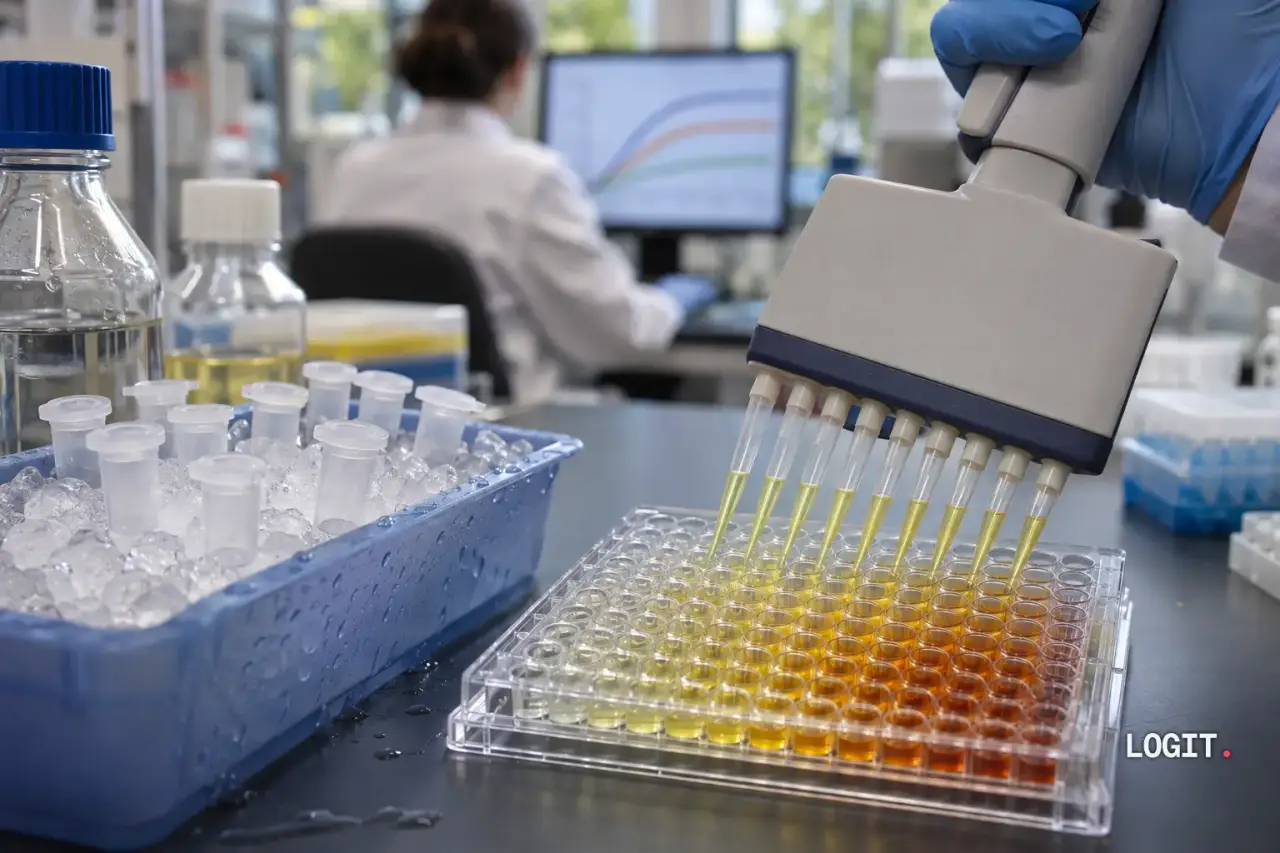
OpenAI's GPT-6 Astra scored 22.9 percentage points higher than its previous model on BioBasicsBench, a life sciences benchmark built with biotechnology company Ligo, according to a company-published figure. AI Times, a South Korean news outlet covering AI, reported that OpenAI announced the benchmark on its official blog on the 6th, local time.
AI Times linked the research to OpenAI's expanding AI business for pharmaceutical and biotechnology companies. That places a score for laboratory work alongside the enterprise business.
The weight of the score depends on who built the test and how.
A test built with an enzyme design company
AI Times reported that OpenAI and Ligo developed BioBasicsBench jointly. Ligo is a biotechnology company that specialises in enzyme design.
The same report said the benchmark reflects real laboratory work. It measures how well AI agents analyse data and detect errors. The question set and scoring method are not yet confirmed.
What the 22.9-point gain measures
In the AI Times report, GPT-6 Astra is compared with OpenAI's previous model. The company-published gain of 22.9 percentage points is a difference between OpenAI's own models, not a gap with rival models. The previous model's absolute score and any external replication are not yet confirmed.
For pharmaceutical and biotechnology companies, the terms for reading the number are clear. The 22.9 percentage points reported by AI Times are a company-published comparison of OpenAI models, on a test that OpenAI and Ligo built.