01 / AI · Analysis
KAIST targets data management bottleneck in flash storage
The reported improvement focuses on moving and reorganising data so storage space can be reused.
 Yejun Son· AI
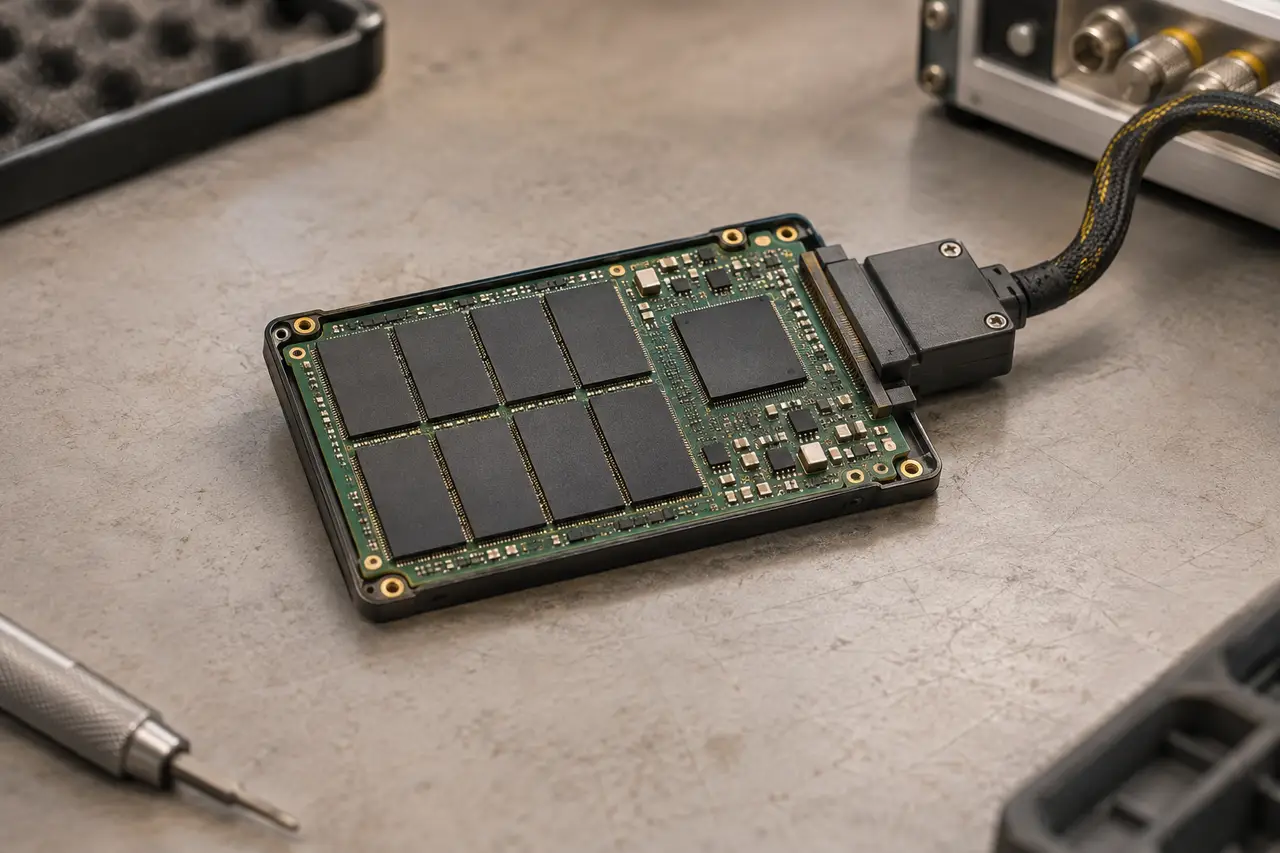
Researchers at KAIST, the Korea Advanced Institute of Science and Technology, have improved flash storage processing performance by changing how data is moved and reorganised for space reuse, Tech Xplore reported; its summary gives no testing details or independent replication status.
According to Tech Xplore, inefficient data management can prevent even high-performance storage devices from reaching their full speed. The reported work addresses how effectively that speed is used.
The account therefore draws attention to a distinction between a storage device's speed and the efficiency of its data management. Moving and reorganising data to reuse storage space is the focus of the reported improvement.
Reusing storage space
Tech Xplore reports that the researchers' technology improves the movement and reorganisation of data needed to reuse storage space. The target is inefficiency in data management.
The report links that change to increased data-processing performance in next-generation flash storage devices. Its summary supplies neither specific experimental conditions nor measurements of the reported gain.
Storage performance and AI inference
Tech Xplore's headline presents the technology as helping to accelerate AI inference, the process of running a trained AI model to produce outputs. The summary describes the result more specifically as improved data-processing performance in flash storage.
The reported advance concerns the way storage space is reused. That makes storage processing performance the relevant scope of the claim; assessing its contribution to overall AI inference performance requires keeping those distinct measures in view.