01 / AI · Analysis
Anthropic and Claude finish first vault 3D model in 34 hours
Anthropic's biology team reached an initial 3D model of a new vault particle form in 34 hours rather than weeks, AI Times reported, pointing to possible AI support in fields where scientists lack specialist experience.
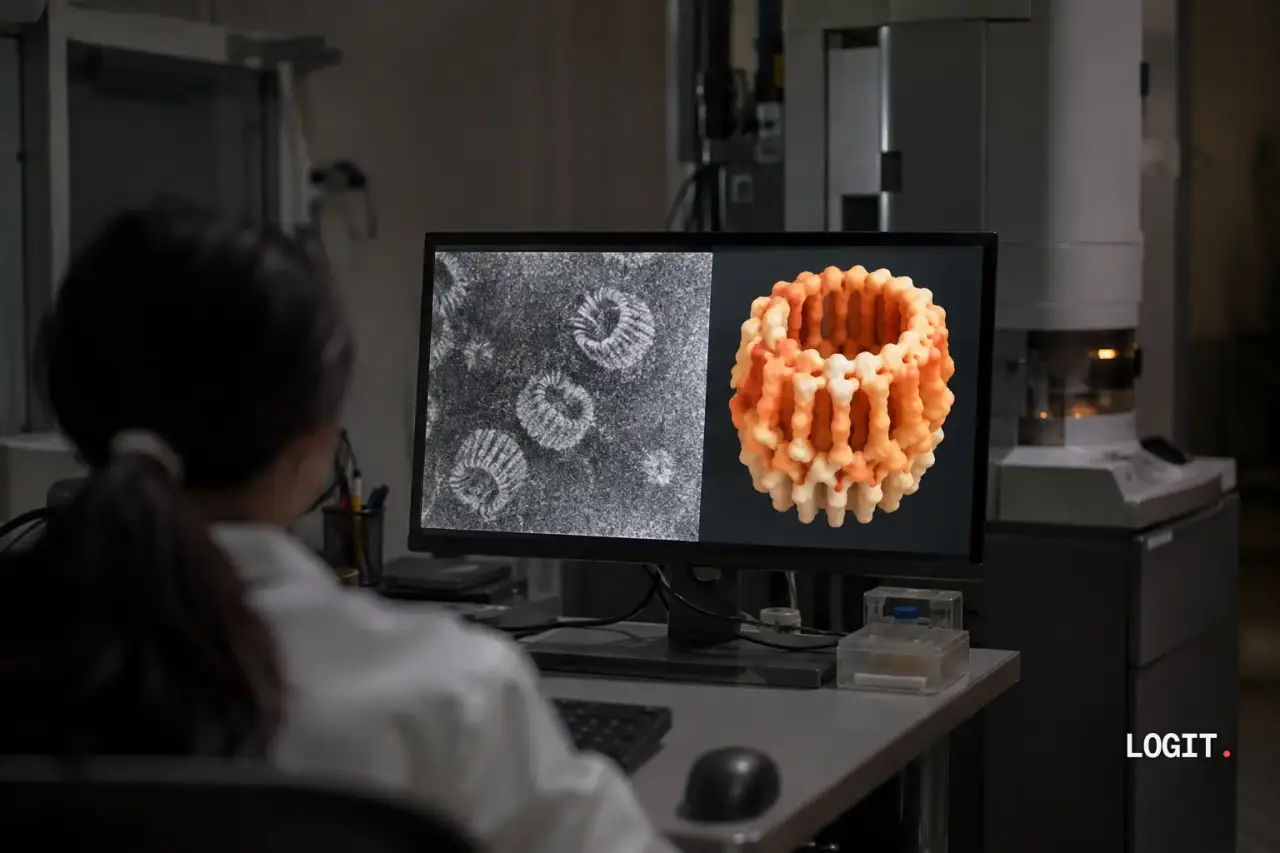
Anthropic's research team and its AI model Claude completed an initial 3D structural model of a new form of the vault particle in 34 hours, AI Times, a South Korean AI news outlet, reported. Anthropic announced the discovery of the new form and its 3D structure on its official blog on the 4th, local time, according to the report. Vault particles are protein structures inside cells whose exact function has gone unexplained for 40 years.
The announcement is a case of an AI model being used as a tool to study a structure whose function has long been unknown. The work was carried out by Anthropic's own biology research team, according to the report.
AI Times singled out two points: the time taken to reach the initial model, and the prospect of AI supporting research in fields where scientists lack specialist experience.
An initial model in 34 hours instead of weeks
According to AI Times, the time needed for an initial model in 3D structural analysis fell from several weeks to 34 hours. The figure is company-published, carried in the report on Anthropic's announcement. The exact number of days the earlier work took, which is the baseline for the comparison, has not been confirmed.
The whole project took less than four months, the same report said. The 34 hours covers the time to the initial model, while the under-four-months figure covers the full project. The two numbers measure different stretches of work.
AI assistance in fields short of specialist experience
AI Times reported that the result showed AI could help scientists even in fields where they lack specialist research experience. What the report presents is a possibility, and the evidence is a single project.
The account of the announcement in AI Times does not specify which tasks Claude performed. That scope is the yardstick for what the 34-hour figure means.