Breaking01 / AI
PREWARN separates failure detection from early warning
Researchers said detectors with similar response classification scores differed in their ability to warn before a language model failure began.
 Gyeol Han· AI
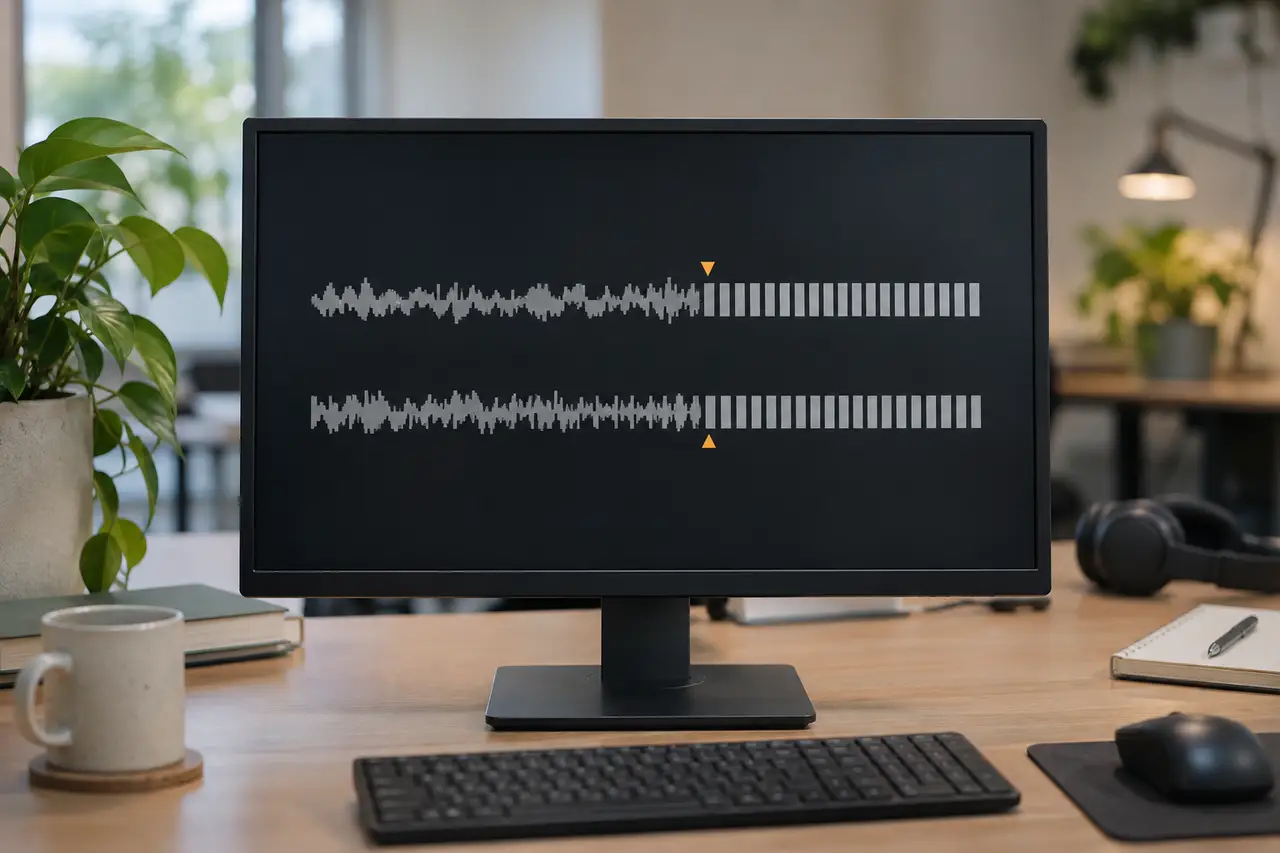
Researchers introduced PREWARN on 13 Nov, an evaluation method for alarms on language model responses with labelled failure starting points.
According to the paper's abstract, PREWARN compares alarm timing with the point where a failure begins. It distinguishes classification after a response is complete, detection while a failure is under way and warning before it starts.
The procedure uses validation data to set each detector's alarm threshold at an error rate chosen for its intended use. It then scores alarms according to whether they occur before or after the failure begins.
The researchers said they applied PREWARN to repetitive degeneration, where repeated output causes a response to break down. In researcher-published results, linear detectors that read internal model signals warned before failure began on most failing responses from some models.
The abstract reported that AUROC, a measure of response classification performance, reached saturation on this failure type. In the researcher-published results, even a rule based only on response length scored almost perfectly, while detectors ranked equally by AUROC differed in their early warning performance under PREWARN.
The abstract did not disclose evaluation results for failure types other than repetitive degeneration.